
LASER FOR STRETCH MARKS
Which types of stretch marks is Laser for Stretch Marks effective on?
Laser treatment for Stretch Marks is effective on both main types:
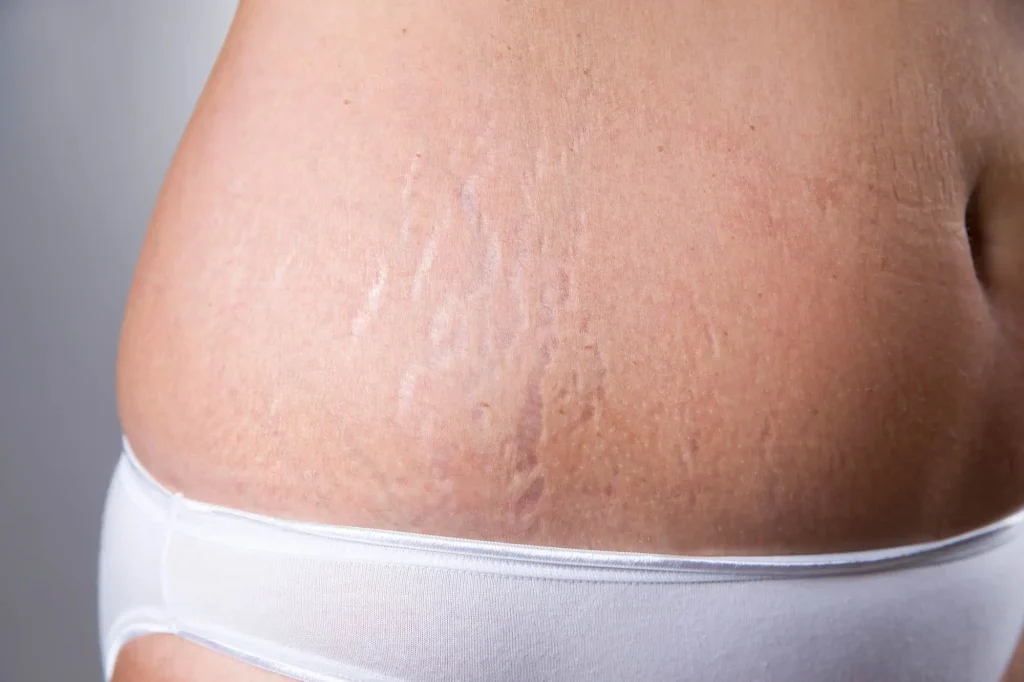
- Red/Purple Stretch Marks (Early Stage): These are easier to treat and respond faster to therapy, often showing visible results from the very first session. Usually, 5–7 sessions can lead to improvement rates that may reach up to 100%.
- White/Silver Stretch Marks (Mature Stage): These are more persistent, as they represent older scars. Fractional CO₂ Laser is particularly indicated for these cases. More sessions are required, typically 8–10, aiming for up to 85% improvement in their appearance.
What are the advantages of Laser for Stretch Marks?
Choosing Laser treatment for Stretch Marks over other methods offers significant benefits, ensuring a safe and long-lasting result:
- Non-invasive and safe method without surgery or tissue removal
- Activation of natural healing and stimulation of new collagen production
- Significant improvement in skin texture and reduction in the depth of stretch marks
- Minimal downtime and immediate return to daily activities
- Ability to combine with other treatments (e.g., PRP, Mesotherapy) for optimal results
How many sessions are required and how long do they last?
The number of sessions depends on the severity, extent, and color of the stretch marks (red or white), as well as the individual skin response.
- Number of Sessions: Usually 3 to 10 sessions are required
- Red stretch marks: approximately 5–7 sessions
- White stretch marks: approximately 8–10 sessions
- Session Duration: The procedure is quick, lasting on average 20–40 minutes per area
- Interval: Sessions are usually performed every 3–4 weeks
Can Laser for Stretch Marks be combined with other treatments?
Yes, it can be combined with the following treatments:
- Autologous Mesotherapy (PRP): The use of growth factors from the patient’s own blood (PRP) can further enhance results and may reduce the total number of sessions required
- Fractional Microneedling RF: Combines micro-injuries with radiofrequency energy, making it a safe option for sensitive areas or darker skin types
- Chemical Peeling & Mesotherapy: Other methods such as chemical peeling or mesotherapy with vitamins and hyaluronic acid can complement the laser’s action, improving skin elasticity and tone
What should I know about recovery after Laser for Stretch Marks?
Laser treatment for Stretch Marks is painless (with the use of topical anesthetic cream), and recovery is minimal:
- Immediate Effects: After the session, the treated area may appear red for a few hours
- First Days: For about one week, the skin may feel slightly rough, indicating that the regeneration process has started. This can be managed with a moisturizing cream
- Return to Daily Life: You can immediately return to daily activities and work. However, sunscreen use is essential on the treated area
When will I see the final results of Laser for Stretch Marks?
Improvement is gradual, as it is based on the natural collagen regeneration process:
- Initial Improvement: For red stretch marks, results may appear even after the first session
- Visible Improvement: Significant improvement in texture and tone is usually observed 3–6 months after starting treatment
Final Result: The final outcome is achieved approximately 6 months after the last session
Who is the ideal candidate for Laser for Stretch Marks?
Ideal candidates include women and men who:
- Have stretch marks (red or white) in areas such as the abdomen, thighs, buttocks, chest, or arms
- Prefer a non-invasive method with minimal downtime
- Have realistic expectations, as treatments aim for significant improvement rather than 100% elimination (especially for older white stretch marks)
Early treatment of stretch marks, while they are still red, is key to achieving the best possible results.
FREQUENTLY ASKED QUESTIONS
What is Stretch Mark Laser and how does it work?
This is a fractional photothermolysis technology, such as Fractional CO₂ Laser or Intense Pulsed Light (IPL). The laser beam is broken into smaller beams, creating microthermal zones in the deeper layers of the skin (dermis). This controlled “damage” activates the body’s natural healing process, stimulating fibroblasts to produce new collagen and elastin. As a result, the old, damaged tissue is replaced by new, making stretch marks narrower, less deep and with a color that more closely matches the healthy skin tone.
EXPERTISE & CARE
TRUST US WITH YOUR TREATMENT
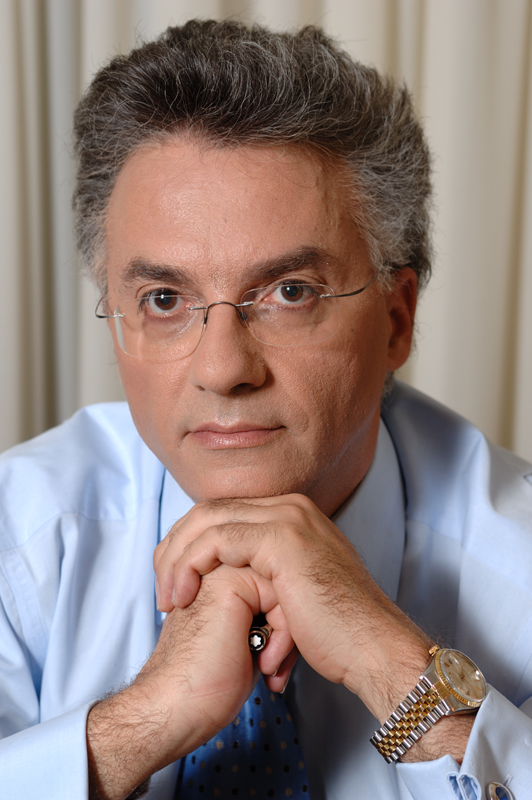
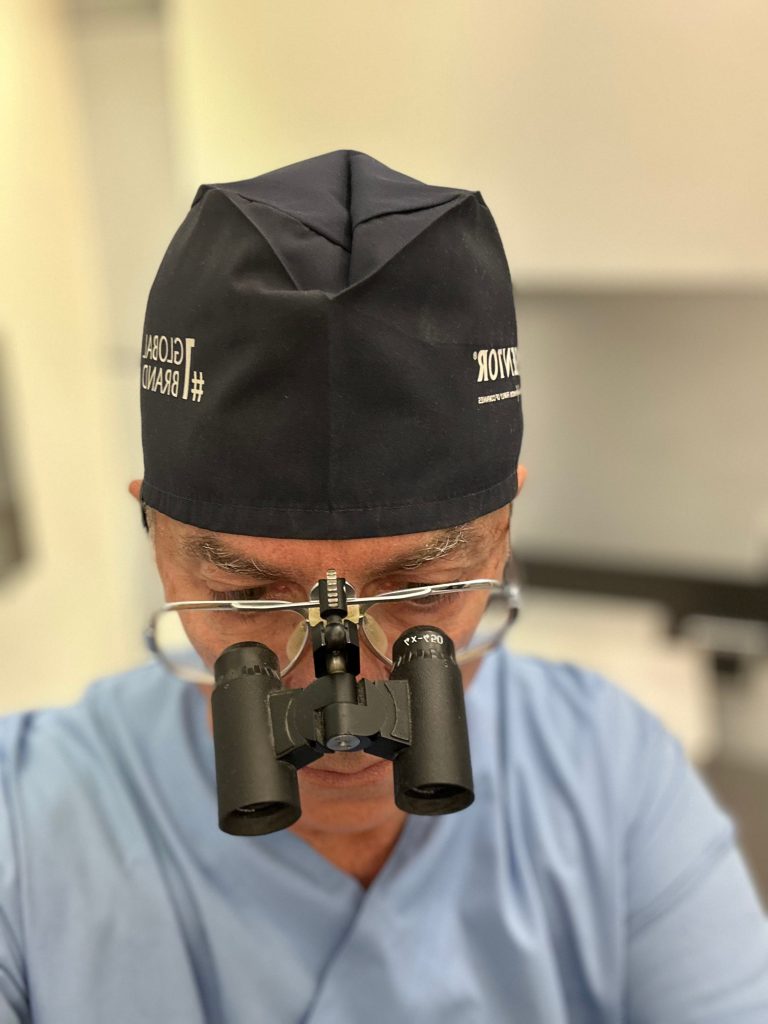
Dr. Konstantinos Floros was born in Athens, studied Medicine at the University of Thessaloniki, and specialized in Plastic Surgery in the United Kingdom. He has participated in specialized aesthetic surgery seminars in London and New York. In Greece, he practices privately with a focus on aesthetic plastic surgery and modern applications of cosmetic medicine and anti-aging. He has served as a Plastic Surgery registrar at the university hospitals Queen Mary’s University Hospital in London and Addenbrooke’s Hospital in Cambridge.




CUSTOMER REVIEWS
Το Trustindex επαληθεύει ότι η αρχική πηγή της κριτικής είναι Google. Το αποτέλεσμα ξεπέρασε και τα πιο τρελά μου όνειρα εξαιρετικόςΔημοσιεύτηκε στο GoogleΤο Trustindex επαληθεύει ότι η αρχική πηγή της κριτικής είναι Google. Ο καλύτερος πλαστικός Χειρουργος !!!! Και πάνω από όλα εξαιρετικός άνθρωπος πρόσφατα έκανα ένα V lift τέλειο φυσικό αποτέλεσμα με τοπική αναισθησία ,ο χώρος υπέροχος!!! ,οι κοπελιές μέσα πολύ ευγενικές και ευχάριστες 🥰Δημοσιεύτηκε στο GoogleΤο Trustindex επαληθεύει ότι η αρχική πηγή της κριτικής είναι Google. Εξαιρετικος!Δημοσιεύτηκε στο GoogleΤο Trustindex επαληθεύει ότι η αρχική πηγή της κριτικής είναι Google. Ένας εξαιρετικός γιατρός που κέρδισε την εμπιστοσύνη μου από την αρχή!Δημοσιεύτηκε στο GoogleΤο Trustindex επαληθεύει ότι η αρχική πηγή της κριτικής είναι Google. Dr. Konstantinos Floros... the best ever!!! He is a highly qualified plastic surgeon... ❤️Δημοσιεύτηκε στο GoogleΤο Trustindex επαληθεύει ότι η αρχική πηγή της κριτικής είναι Google. Εξαιρετικός γιατρός!!!Δημοσιεύτηκε στο GoogleΤο Trustindex επαληθεύει ότι η αρχική πηγή της κριτικής είναι Google. Εξαιρετικός γιατρός με εμπειρία! Εμπνέει εμπιστοσύνη. Ευχάριστο περιβάλλον και προσωπικό . Τον συστήνω ανεπιφύλακτα.
COME TO THE SPECIALISTS
If you have any questions, concerns or would like to make an appointment with Dr. Konstantinos Floros, please contact us.