
ABDOMINOPLASTY (TUMMY TUCK)
Abdominoplasty is much more than a simple aesthetic procedure. It is a definitive solution for treating skin laxity, excess skin and fat, as well as separation of the abdominal muscles—issues that often occur after pregnancies or significant weight loss. The goal is a complete transformation of the torso, providing a flat, firm abdomen and a harmonious body contour, while enhancing self-confidence.
What exactly is Abdominoplasty and what are its main techniques?
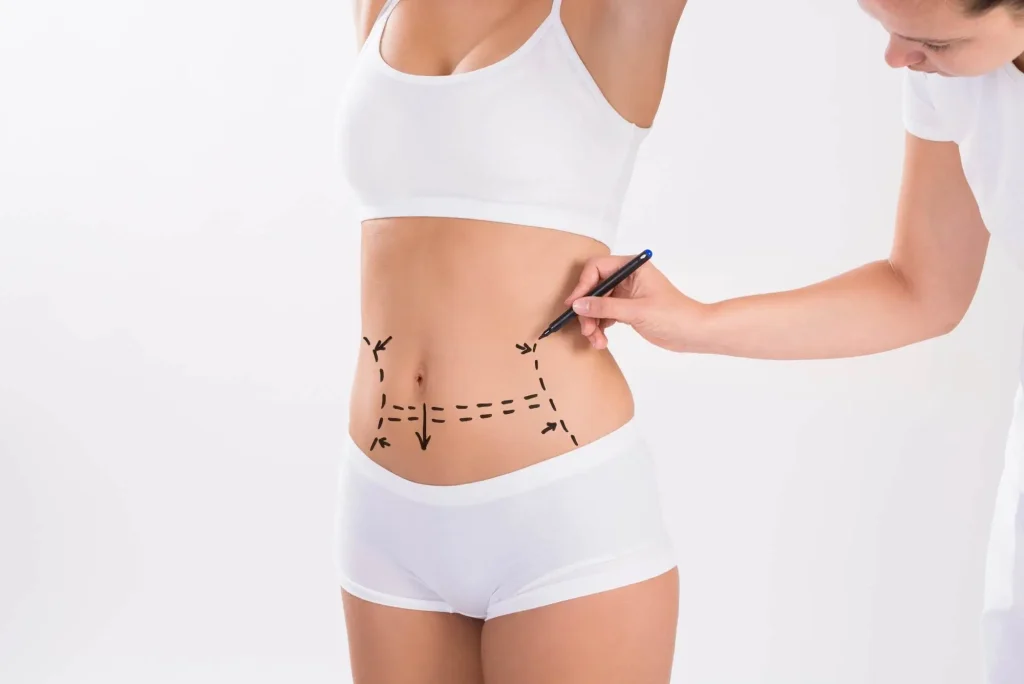
Abdominoplasty is a surgical procedure that removes excess skin and fat from the abdominal area and tightens the underlying abdominal muscles when necessary. The main techniques include:
• Full Abdominoplasty: Suitable for cases of extensive laxity and excess skin throughout the abdomen. It involves a low horizontal incision (similar to a C-section but longer) and repositioning of the navel.
• Mini Abdominoplasty: Intended for milder cases with laxity mainly below the navel. The incision is smaller and the navel is usually not repositioned or is lowered slightly (2–3 cm).
• Lipoabdominoplasty: A combination of abdominoplasty with liposuction. This approach offers maximum aesthetic results (body contouring), removing excess fat from the abdomen and flanks while also correcting skin laxity and muscle separation.
What are the advantages of modern Abdominoplasty?
Modern abdominoplasty offers multiple benefits:
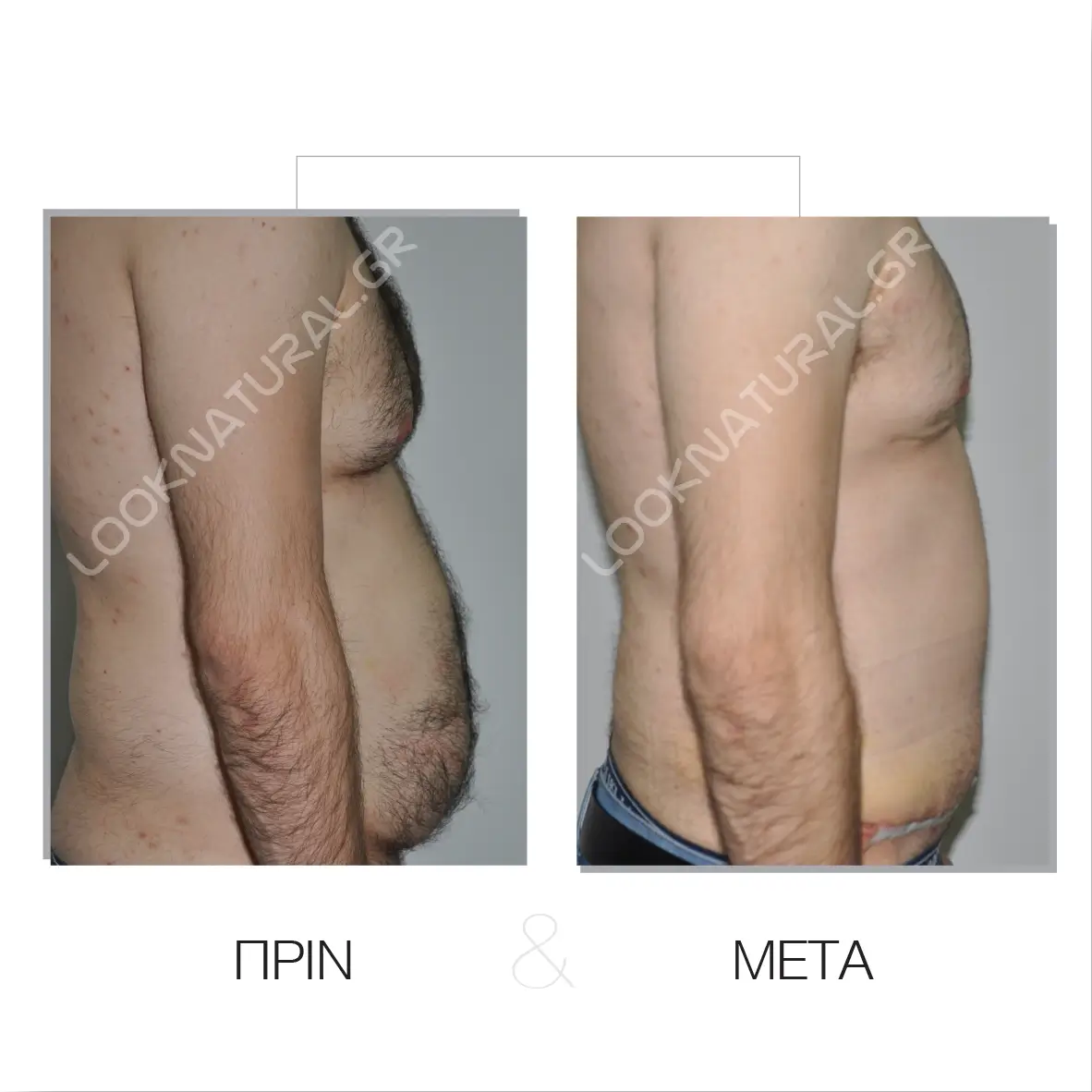
• Dramatic body contouring with removal of excess skin and fat.
• Tightening and strengthening of the abdominal muscles, correcting diastasis recti.
• Correction of a “hanging abdomen.”
• Removal of stretch marks and old scars from the removed skin (usually below the navel).
• Possibility of fat transfer to other areas (e.g. breasts or buttocks – Brazilian Butt Lift).
• Faster recovery and reduced postoperative pain with modern, minimally traumatic techniques.
• Correction of mild umbilical hernia (if present).
Who are the ideal candidates for Abdominoplasty?
Abdominoplasty is suitable for men and women who have completed weight loss or pregnancies and are in good general health. Ideal candidates include:
• Women with abdominal muscle and skin laxity after pregnancy (part of a Mommy Makeover).
• Men and women with significant excess skin after major weight loss (e.g. after bariatric surgery).
• Individuals with abdominal muscle separation (diastasis recti).
• Individuals with loose skin folds that may cause infections or dermatitis.
Important: Abdominoplasty is not recommended for those planning a future pregnancy soon or aiming for significant weight loss, as results may be affected. Smokers must stop smoking.
What is the procedure of Abdominoplasty?
Before surgery:
A detailed consultation and clinical examination are performed, including medical history and expectations. Preoperative tests are required, and instructions are given (e.g. stopping medications affecting blood clotting).
During surgery:
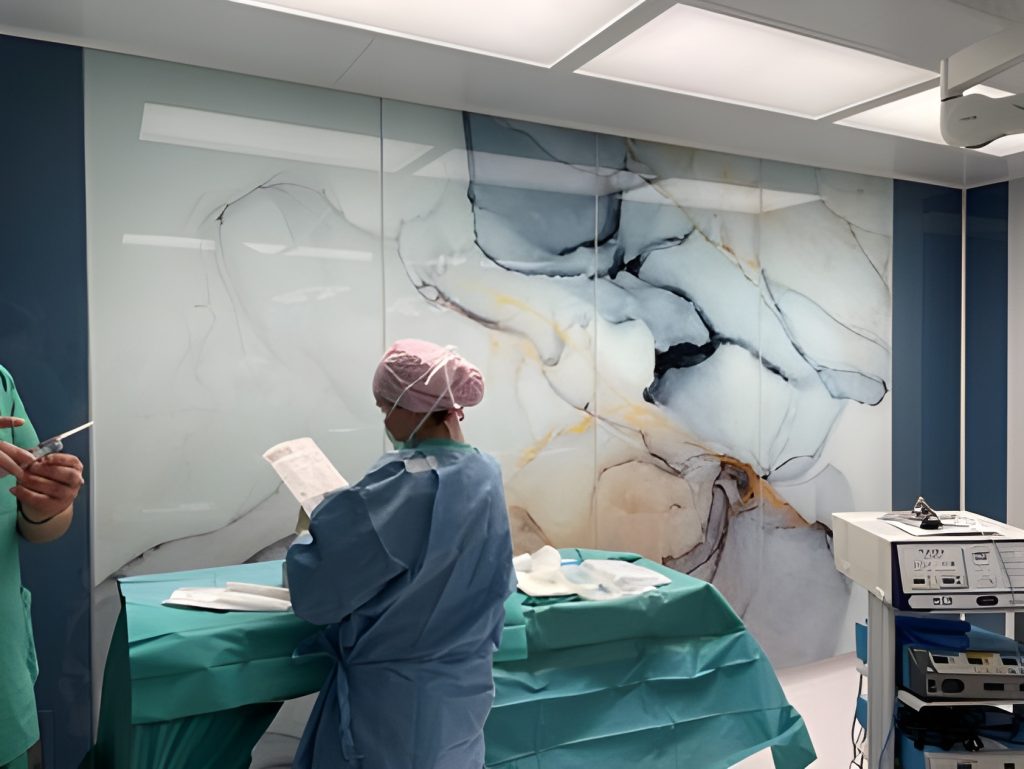
Abdominoplasty is usually performed under general anesthesia and lasts 2 to 4 hours, depending on the extent and whether it is combined with other techniques (e.g. liposuction). The surgeon removes excess skin and fat, tightens abdominal muscles, and repositions the navel (in full abdominoplasty).
After surgery:
• Hospital stay: Usually one night for monitoring.
• Recovery: Early mobilization begins from the first day. Return to office work is possible after 4–7 days.
• Pain: Generally mild and controlled with simple painkillers.
• Compression garment: Required for about 1 month (24 hours/day for the first 2 weeks) to reduce swelling and support healing.
• Exercise: Avoid intense activity and weightlifting for 4–6 weeks.
Is Abdominoplasty a painful procedure?
Pain mainly originates from the abdominal wall if muscle tightening has been performed. It is managed with simple painkillers and by limiting movements that strain the muscles in the first days. In other cases, discomfort is minimal. Early mobilization helps faster recovery and reduces complication risks.
How long do the results of Abdominoplasty last?
The results are permanent. Removed skin and fat do not return, and tightened muscles maintain their tone. To preserve results long-term, a healthy lifestyle is essential. However, future pregnancy or major weight fluctuations may negatively affect the outcome.
What should I know about scars after Abdominoplasty?
Like any surgery, abdominoplasty involves rare risks and possible complications. The most common include:
• Inflammation or hematoma at the surgical site (treated medically).
• Fluid accumulation (seroma), usually absorbed or easily drained.
• Healing disturbances due to smoking.
Important: Strict adherence to postoperative instructions significantly reduces complication risk.
What are the possible risks or complications of Abdominoplasty?
As with any surgery, there are rare risks and complications:
• Infection or hematoma.
• Seroma (fluid accumulation).
• Poor scar healing (visible scars) or asymmetry.
• Healing problems related to smoking.
Important: Choosing an experienced plastic surgeon like Dr. Floros and following postoperative instructions minimizes risks.
BEFORE & AFTER
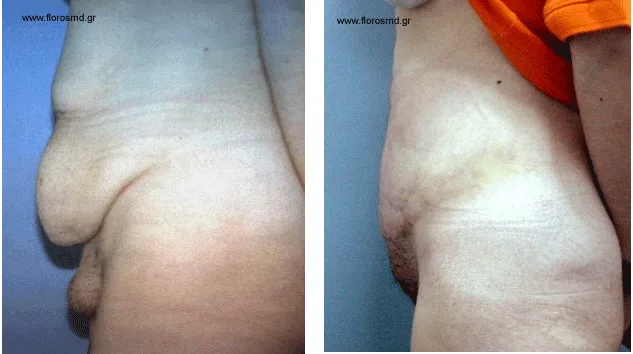
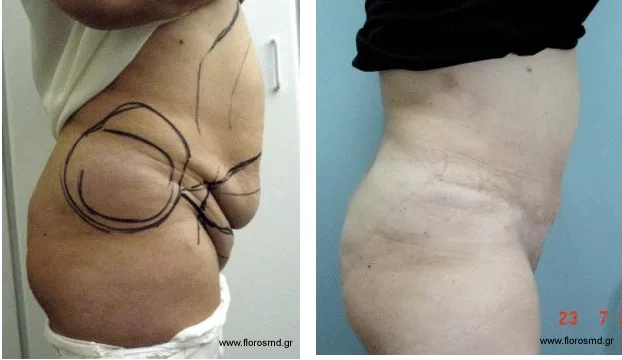
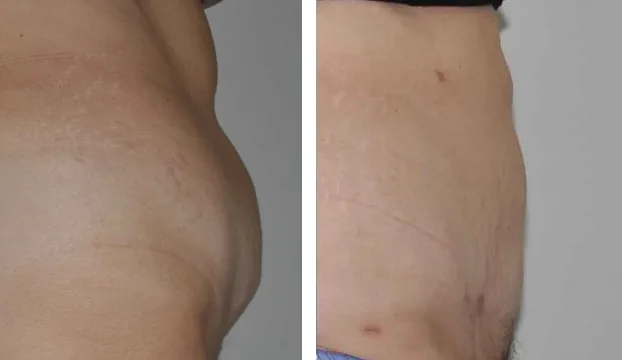
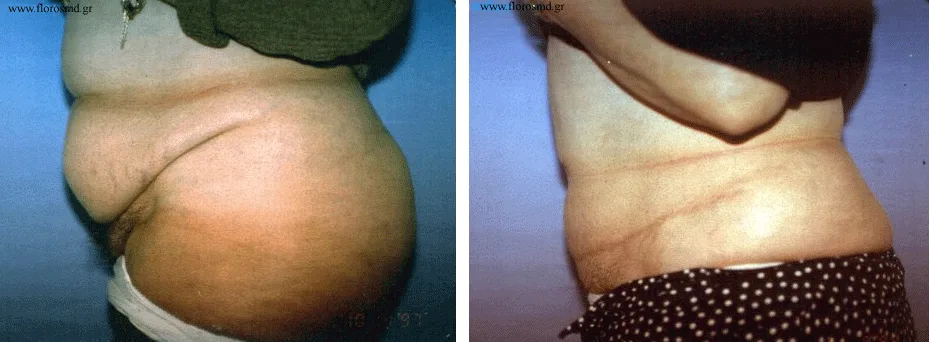
FREQUENTLY ASKED QUESTIONS
EXPERTISE & CARE
TRUST US WITH YOUR TREATMENT
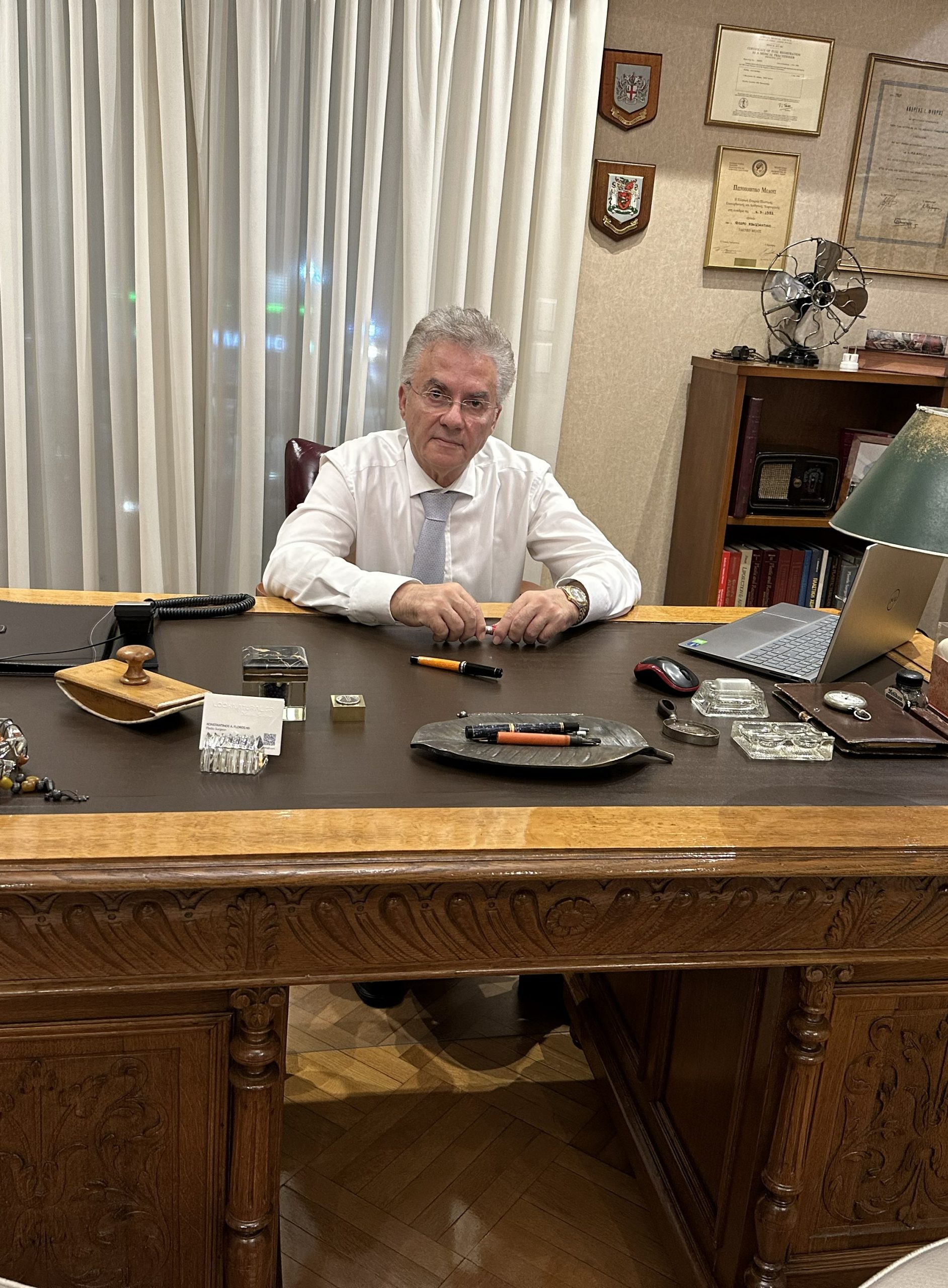
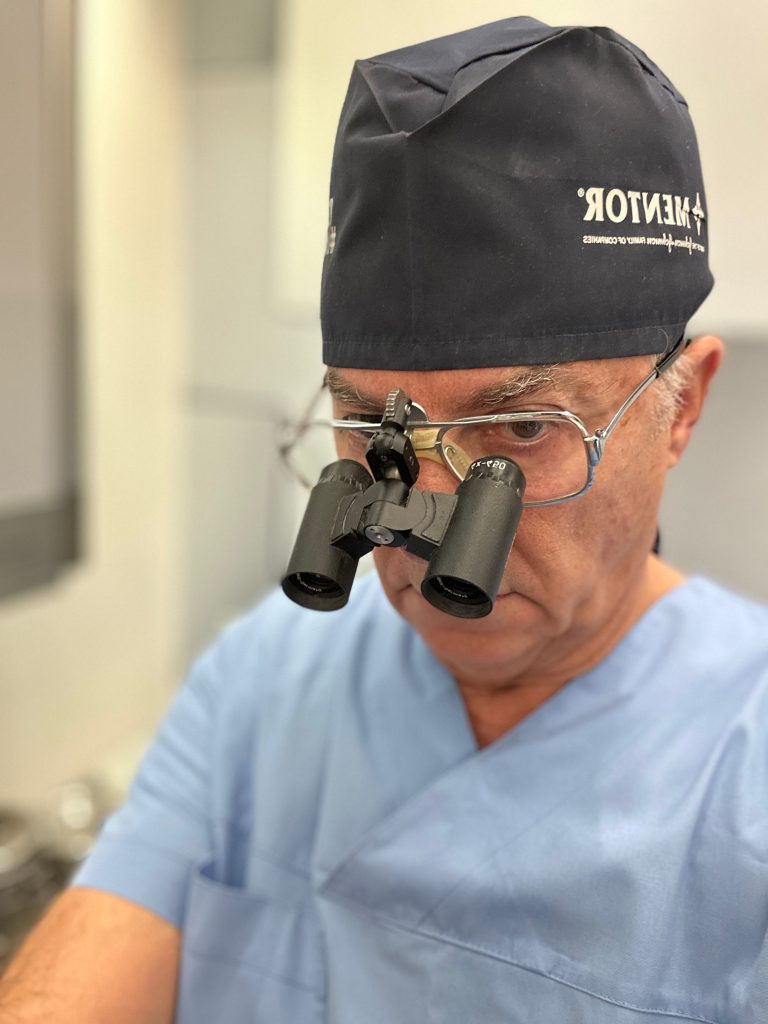
Dr. Konstantinos Floros was born in Athens, studied Medicine at the University of Thessaloniki, and specialized in Plastic Surgery in the United Kingdom. He has participated in specialized aesthetic surgery seminars in London and New York. In Greece, he practices privately with a focus on aesthetic plastic surgery and modern applications of cosmetic medicine and anti-aging. He has served as a Plastic Surgery registrar at the university hospitals Queen Mary’s University Hospital in London and Addenbrooke’s Hospital in Cambridge.






CUSTOMER REVIEWS
Το Trustindex επαληθεύει ότι η αρχική πηγή της κριτικής είναι Google. Το αποτέλεσμα ξεπέρασε και τα πιο τρελά μου όνειρα εξαιρετικόςΔημοσιεύτηκε στο GoogleΤο Trustindex επαληθεύει ότι η αρχική πηγή της κριτικής είναι Google. Ο καλύτερος πλαστικός Χειρουργος !!!! Και πάνω από όλα εξαιρετικός άνθρωπος πρόσφατα έκανα ένα V lift τέλειο φυσικό αποτέλεσμα με τοπική αναισθησία ,ο χώρος υπέροχος!!! ,οι κοπελιές μέσα πολύ ευγενικές και ευχάριστες 🥰Δημοσιεύτηκε στο GoogleΤο Trustindex επαληθεύει ότι η αρχική πηγή της κριτικής είναι Google. Εξαιρετικος!Δημοσιεύτηκε στο GoogleΤο Trustindex επαληθεύει ότι η αρχική πηγή της κριτικής είναι Google. Ένας εξαιρετικός γιατρός που κέρδισε την εμπιστοσύνη μου από την αρχή!Δημοσιεύτηκε στο GoogleΤο Trustindex επαληθεύει ότι η αρχική πηγή της κριτικής είναι Google. Dr. Konstantinos Floros... the best ever!!! He is a highly qualified plastic surgeon... ❤️Δημοσιεύτηκε στο GoogleΤο Trustindex επαληθεύει ότι η αρχική πηγή της κριτικής είναι Google. Εξαιρετικός γιατρός!!!Δημοσιεύτηκε στο GoogleΤο Trustindex επαληθεύει ότι η αρχική πηγή της κριτικής είναι Google. Εξαιρετικός γιατρός με εμπειρία! Εμπνέει εμπιστοσύνη. Ευχάριστο περιβάλλον και προσωπικό . Τον συστήνω ανεπιφύλακτα.
COME TO THE SPECIALISTS
If you have any questions, concerns or would like to make an appointment with Dr. Konstantinos Floros, please contact us.