
DERMABRASION
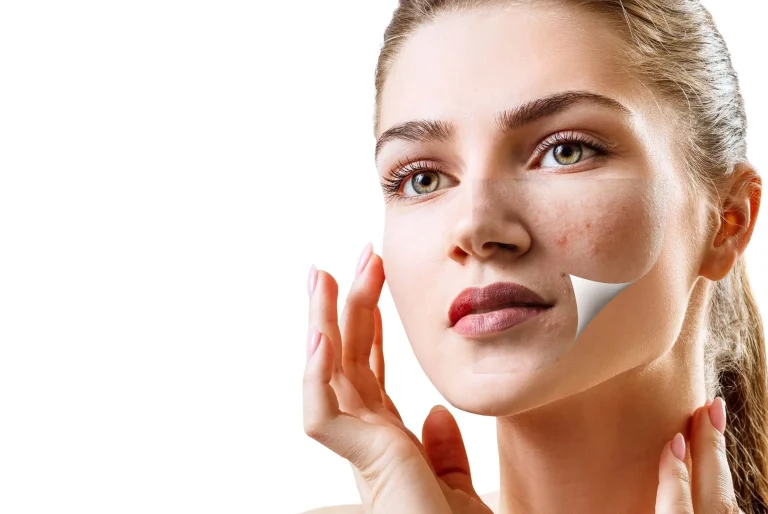
Dermabrasion is one of the most established and effective techniques in plastic surgery for skin rejuvenation. It is a deep exfoliation procedure aimed at removing the upper, damaged layers of the epidermis, revealing healthier, smoother, and more radiant skin. The experienced and specialized Plastic Surgeon Dr. Konstantinos Floros, with extensive knowledge and the use of modern techniques, applies dermabrasion to treat a wide range of skin concerns, offering personalized solutions and impressive results.
What exactly is dermabrasion?
Dermabrasion is a controlled mechanical exfoliation of the skin, during which dead and damaged cells from the superficial layers of the epidermis are removed. This is achieved using a special rotating device or heads with microcrystals (microdermabrasion) or diamond tips, depending on the desired depth. This process stimulates the skin’s natural healing and regeneration, leading to increased production of collagen and elastin.
In which cases is dermabrasion indicated?
Dermabrasion is particularly effective for:
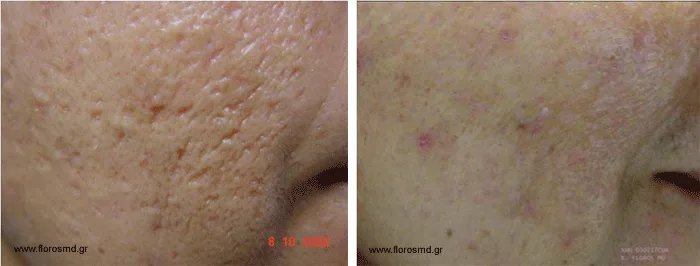
• Acne scars and scars from injuries.
• Fine lines and superficial wrinkles.
• Hyperpigmentation, spots, blemishes, and sun damage (photoaging).
• Uneven skin texture and enlarged pores.
• Dull and tired-looking skin in need of rejuvenation.
What are the advantages of dermabrasion?
The main advantages include:
• Immediate and visible results from the first session.
• Deep cleansing and removal of dead skin cells.
• Improved skin texture and elasticity.
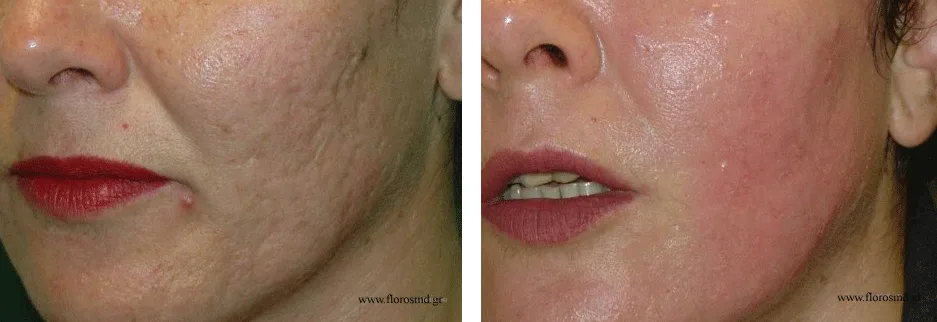
• Reduction in the appearance of scars and discoloration.
• Stimulation of collagen production for firmer skin.
• Enhanced absorption of skincare products.
How is the dermabrasion procedure performed and how long does it last?
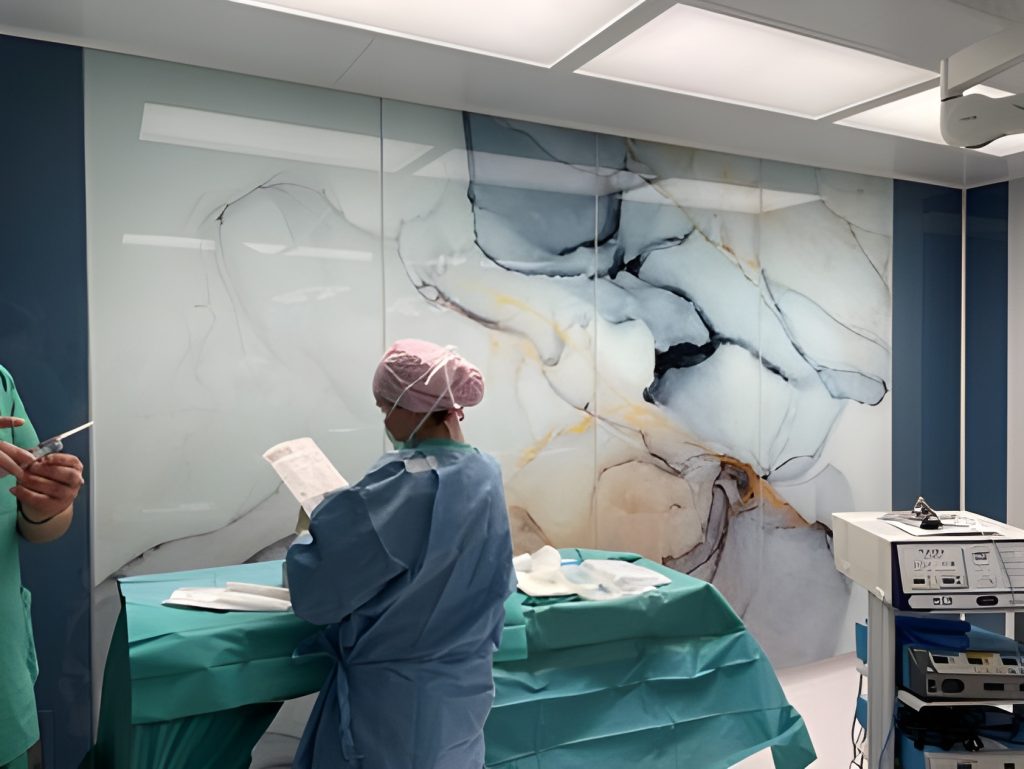
The procedure is performed in the plastic surgeon’s office and usually does not require general anesthesia. Dr. Floros uses a specialized device to carefully “sand” the selected area, precisely removing the outer skin layers. The treatment typically lasts between 20 and 30 minutes, depending on the size of the area treated.
Is dermabrasion painful?
For superficial dermabrasion (microdermabrasion), discomfort is almost nonexistent. For deeper dermabrasion, local anesthesia or sedation may be used to ensure complete comfort throughout the procedure.
What should I pay attention to after dermabrasion?
After dermabrasion, the skin may show mild redness, similar to sunburn, which usually subsides within a few hours or days depending on the treatment depth. It is essential to use sunscreen with a high SPF and avoid direct sun exposure for the period recommended by Dr. Floros.
When are the results of dermabrasion visible?
Initial results, such as improved radiance and smoothness, are often visible from the very first session. Full skin regeneration and reduction of imperfections, such as scars and wrinkles, continue over the following months as collagen rebuilds.
How many dermabrasion sessions are required?
The number of sessions depends on the type of concern, skin quality, and the depth of treatment. Typically, for optimal results, 3–5 sessions are recommended with intervals of one to two weeks. Dr. Konstantinos Floros will assess your needs and design a personalized treatment plan.
BEFORE & AFTER
FREQUENTLY ASKED QUESTIONS

EXPERTISE & CARE
TRUST US WITH YOUR TREATMENT
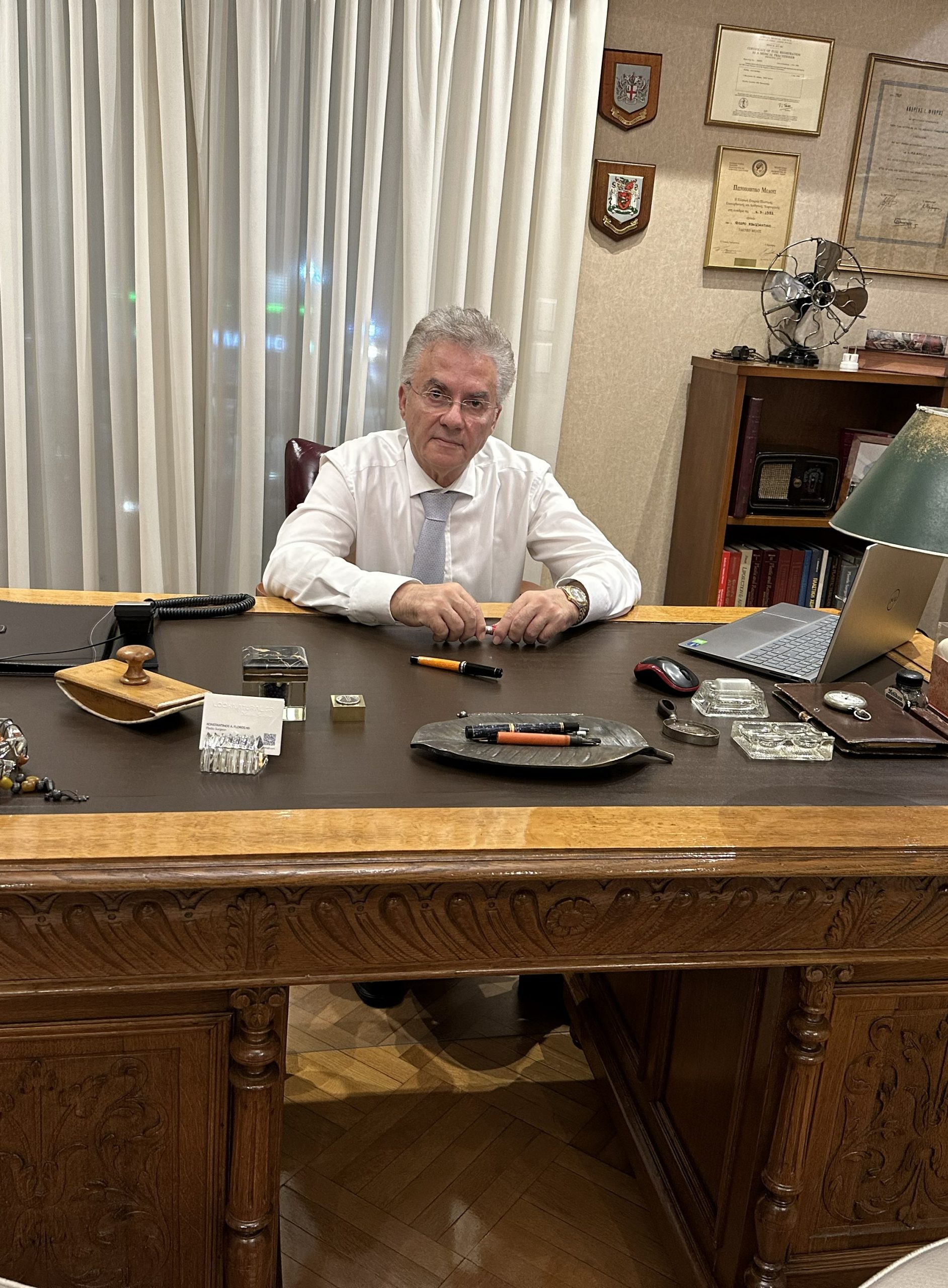
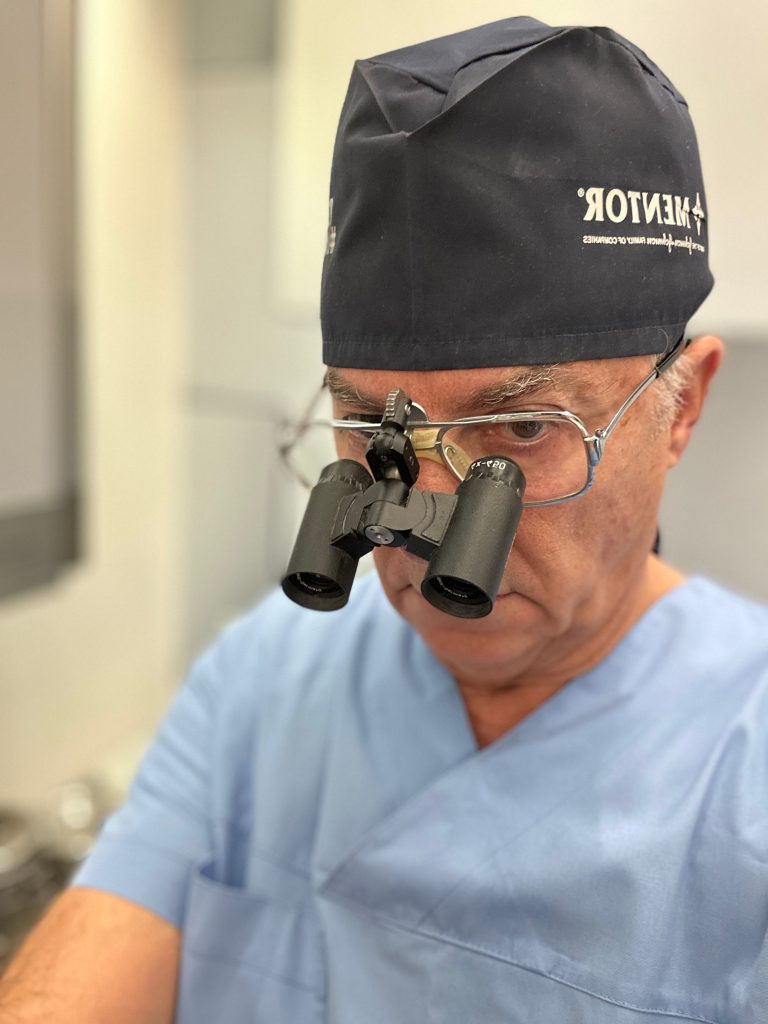
Dr. Konstantinos Floros was born in Athens, studied Medicine at the University of Thessaloniki, and specialized in Plastic Surgery in the United Kingdom. He has participated in specialized aesthetic surgery seminars in London and New York. In Greece, he practices privately with a focus on aesthetic plastic surgery and modern applications of cosmetic medicine and anti-aging. He has served as a Plastic Surgery registrar at the university hospitals Queen Mary’s University Hospital in London and Addenbrooke’s Hospital in Cambridge.




CUSTOMER REVIEWS
Το Trustindex επαληθεύει ότι η αρχική πηγή της κριτικής είναι Google. Το αποτέλεσμα ξεπέρασε και τα πιο τρελά μου όνειρα εξαιρετικόςΔημοσιεύτηκε στο GoogleΤο Trustindex επαληθεύει ότι η αρχική πηγή της κριτικής είναι Google. Ο καλύτερος πλαστικός Χειρουργος !!!! Και πάνω από όλα εξαιρετικός άνθρωπος πρόσφατα έκανα ένα V lift τέλειο φυσικό αποτέλεσμα με τοπική αναισθησία ,ο χώρος υπέροχος!!! ,οι κοπελιές μέσα πολύ ευγενικές και ευχάριστες 🥰Δημοσιεύτηκε στο GoogleΤο Trustindex επαληθεύει ότι η αρχική πηγή της κριτικής είναι Google. Εξαιρετικος!Δημοσιεύτηκε στο GoogleΤο Trustindex επαληθεύει ότι η αρχική πηγή της κριτικής είναι Google. Ένας εξαιρετικός γιατρός που κέρδισε την εμπιστοσύνη μου από την αρχή!Δημοσιεύτηκε στο GoogleΤο Trustindex επαληθεύει ότι η αρχική πηγή της κριτικής είναι Google. Dr. Konstantinos Floros... the best ever!!! He is a highly qualified plastic surgeon... ❤️Δημοσιεύτηκε στο GoogleΤο Trustindex επαληθεύει ότι η αρχική πηγή της κριτικής είναι Google. Εξαιρετικός γιατρός!!!Δημοσιεύτηκε στο GoogleΤο Trustindex επαληθεύει ότι η αρχική πηγή της κριτικής είναι Google. Εξαιρετικός γιατρός με εμπειρία! Εμπνέει εμπιστοσύνη. Ευχάριστο περιβάλλον και προσωπικό . Τον συστήνω ανεπιφύλακτα.
COME TO THE SPECIALISTS
If you have any questions, concerns or would like to make an appointment with Dr. Konstantinos Floros, please contact us.