
SCARS (WOUNDS)
What are Scars (Wounds)?
Scar formation is the body’s natural healing process after any injury, whether caused by an accident, burn, or surgery. However, when scars are unsightly, hypertrophic, keloid, or functionally restrictive, they can significantly affect both appearance and psychological well-being.
Dr. Konstantinos Floros, an experienced and specialized Plastic Surgeon, offers personalized solutions for scar correction, using the most modern surgical and non-invasive techniques to achieve maximum improvement and restore confidence.
What are the main types of Scars (Wounds) and how are they recognized?
Proper classification is crucial for selecting the right treatment. The main types include:
• Flat & Mature Scars:
The most common type. Initially red, they gradually flatten and fade to a color closer to the surrounding skin.
• Hypertrophic Scars:
Raised, red, and firm, but remain within the boundaries of the original wound.
• Keloids:
Highly raised and irregular, extending beyond the original wound margins into healthy skin. Often associated with itching.
• Contracture Scars:
Often occur after burns and can restrict movement, especially near joints, causing functional problems.
Who is the ideal candidate for scar correction?
An ideal candidate for scar improvement is any healthy individual, regardless of age, who:
• Is bothered aesthetically or functionally by a scar.
• Has realistic expectations (scars improve significantly but do not disappear completely).
• Is willing to follow postoperative instructions, especially strict sun protection.
• Does not smoke or is willing to quit (important for proper healing).
What are the advantages of specialized scar treatment?
Dr. Floros applies a holistic and evidence-based approach:
• Specialized techniques: Surgical methods that reduce tension, resulting in thinner, flatter scars.
• Combination protocols: Use of multiple treatments (surgery, laser, steroid injections), especially for keloids where recurrence is common.
• Functional restoration: Focus on releasing movement in contracture scars.
• Full patient education: Clear explanation of realistic outcomes and postoperative care.
How is surgical scar revision (scar plastic surgery) performed?
Surgical correction is the treatment of choice for large, complex, or functionally limiting scars and includes:
• Scar excision: The old scar is precisely removed.
• Redirection: Advanced plastic surgery techniques are used to change the direction of the new scar and align it with natural skin lines.
• Layered closure: Suturing is performed in multiple layers (not just the surface) to provide internal support and proper tension management—key factors for a high-quality scar.
Which non-invasive treatments are effective for scars?
Non-invasive methods are often used alone or in combination:
• Steroid injections (cortisone):
Intralesional triamcinolone injections, mainly for hypertrophic scars and keloids, to flatten and reduce itching.
• Fractional CO2 Laser:
Improves scar texture and color by stimulating collagen remodeling.
• PRP (Platelet-Rich Plasma):
Enhances healing and improves skin quality.
What should patients pay attention to during recovery?
Proper postoperative care is essential for optimal results:
• Sun protection: Strict avoidance of sun exposure (or use of SPF 50+) for at least 6–12 months to prevent permanent discoloration.
• Massage & hydration: Regular massage and use of silicone-based creams help improve elasticity and reduce scar stiffness.
• Follow-up: Regular check-ups allow early intervention with additional treatments if needed.
What are the possible risks or side effects?
Scar correction is generally safe, but potential risks include:
• Recurrence: Especially in keloids, requiring combined treatment approaches.
• Discoloration: Changes in pigmentation (lighter or darker).
• Infection/Hematoma: General surgical risks, minimized with proper care.
BEFORE & AFTER
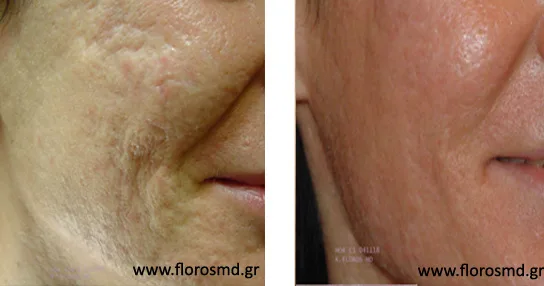
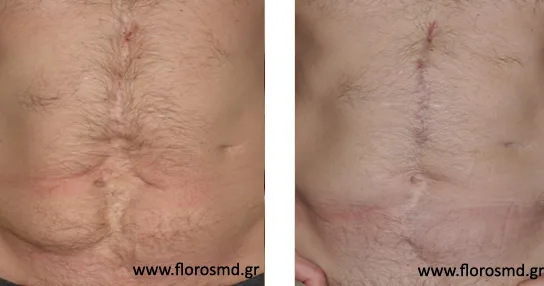
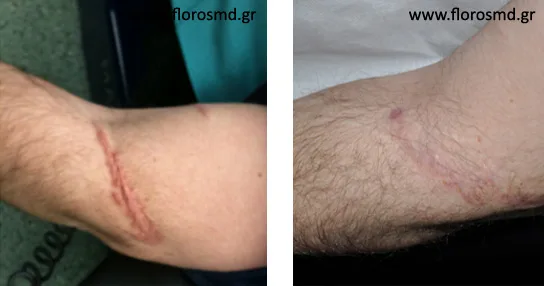
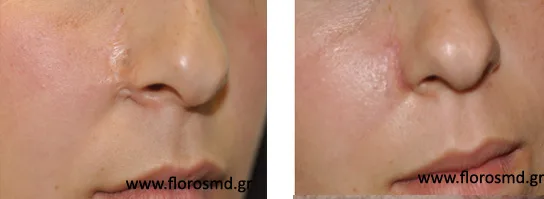
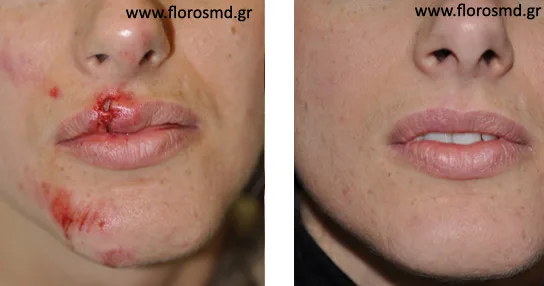
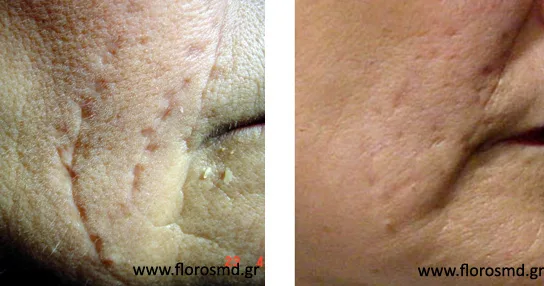
FREQUENTLY ASKED QUESTIONS
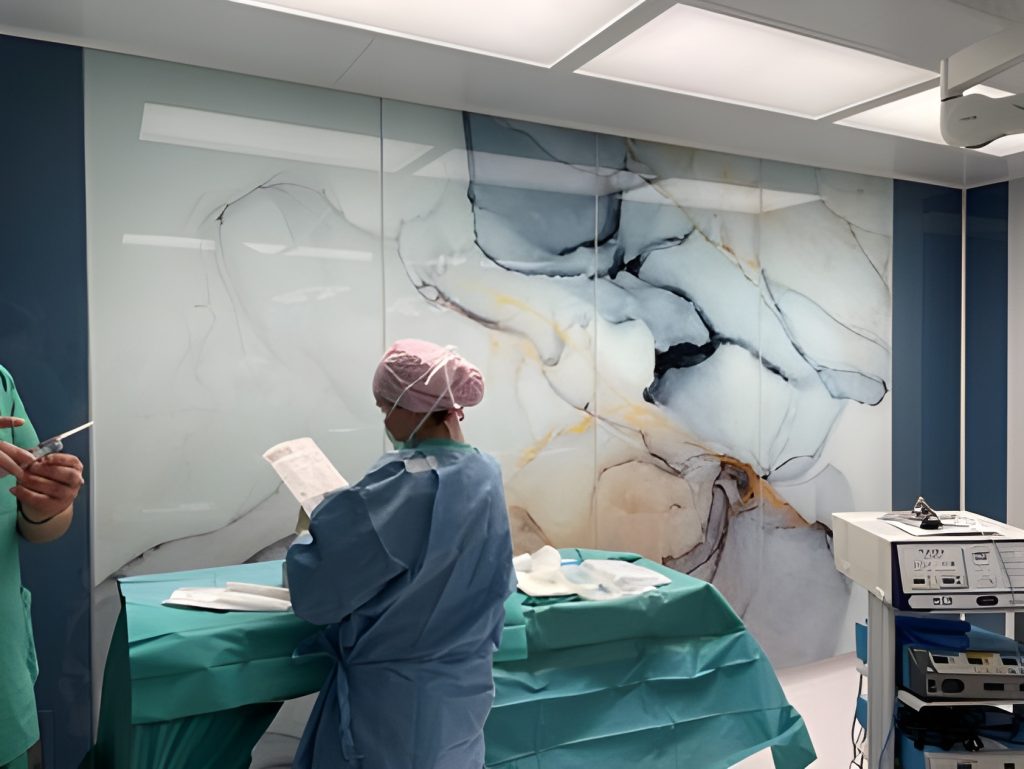
EXPERTISE & CARE
TRUST US WITH YOUR TREATMENT
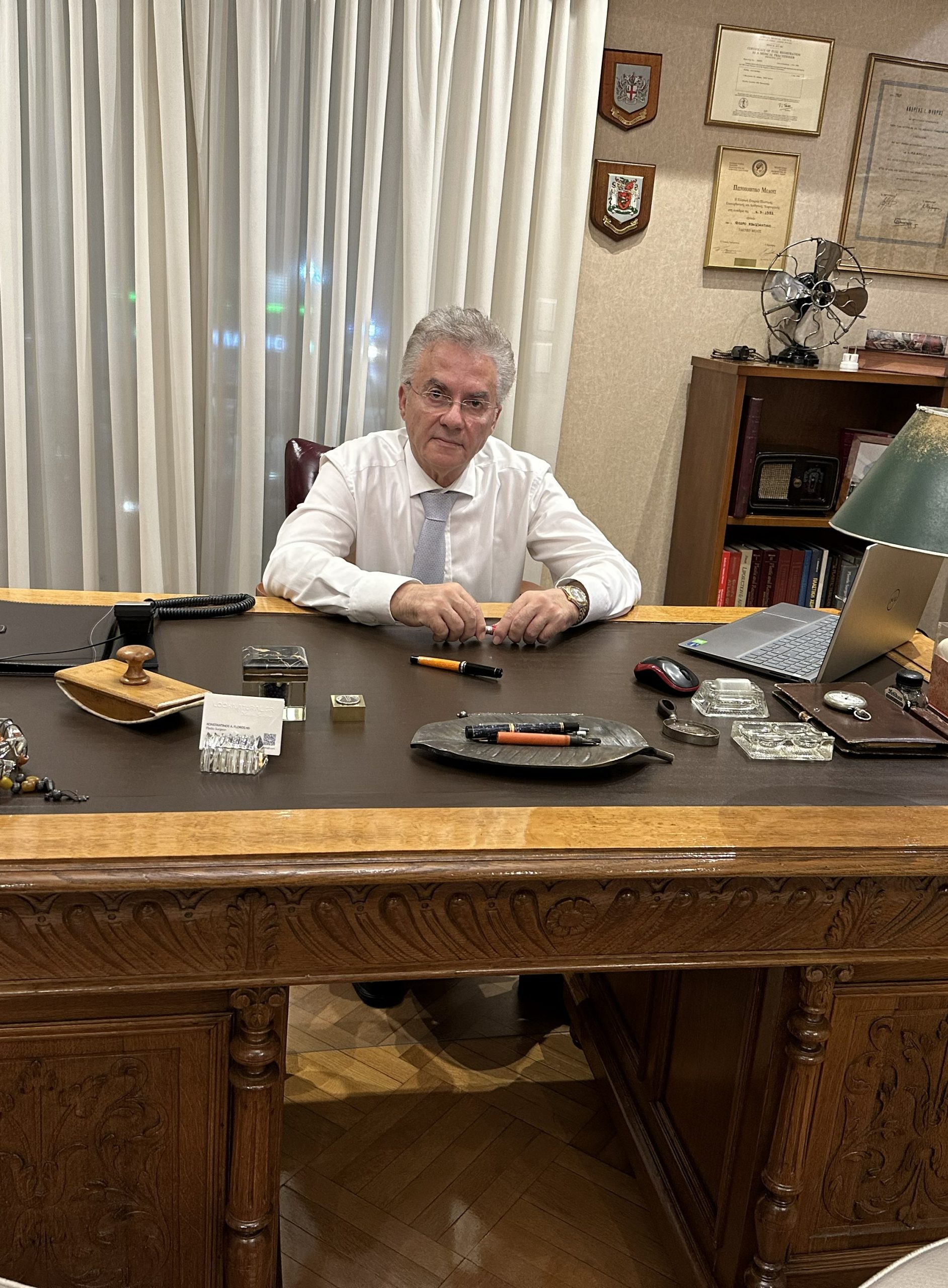
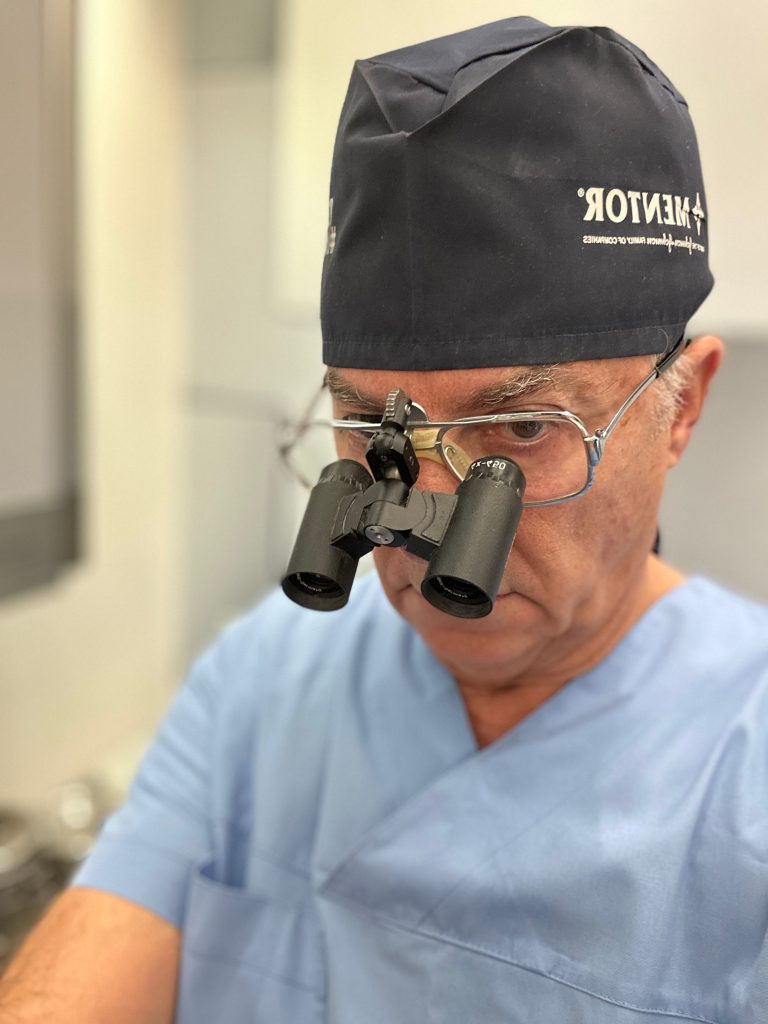
Dr. Konstantinos Floros was born in Athens, studied Medicine at the University of Thessaloniki, and specialized in Plastic Surgery in the United Kingdom. He has participated in specialized aesthetic surgery seminars in London and New York. In Greece, he practices privately with a focus on aesthetic plastic surgery and modern applications of cosmetic medicine and anti-aging. He has served as a Plastic Surgery registrar at the university hospitals Queen Mary’s University Hospital in London and Addenbrooke’s Hospital in Cambridge.





CUSTOMER REVIEWS
Το Trustindex επαληθεύει ότι η αρχική πηγή της κριτικής είναι Google. Το αποτέλεσμα ξεπέρασε και τα πιο τρελά μου όνειρα εξαιρετικόςΔημοσιεύτηκε στο GoogleΤο Trustindex επαληθεύει ότι η αρχική πηγή της κριτικής είναι Google. Ο καλύτερος πλαστικός Χειρουργος !!!! Και πάνω από όλα εξαιρετικός άνθρωπος πρόσφατα έκανα ένα V lift τέλειο φυσικό αποτέλεσμα με τοπική αναισθησία ,ο χώρος υπέροχος!!! ,οι κοπελιές μέσα πολύ ευγενικές και ευχάριστες 🥰Δημοσιεύτηκε στο GoogleΤο Trustindex επαληθεύει ότι η αρχική πηγή της κριτικής είναι Google. Εξαιρετικος!Δημοσιεύτηκε στο GoogleΤο Trustindex επαληθεύει ότι η αρχική πηγή της κριτικής είναι Google. Ένας εξαιρετικός γιατρός που κέρδισε την εμπιστοσύνη μου από την αρχή!Δημοσιεύτηκε στο GoogleΤο Trustindex επαληθεύει ότι η αρχική πηγή της κριτικής είναι Google. Dr. Konstantinos Floros... the best ever!!! He is a highly qualified plastic surgeon... ❤️Δημοσιεύτηκε στο GoogleΤο Trustindex επαληθεύει ότι η αρχική πηγή της κριτικής είναι Google. Εξαιρετικός γιατρός!!!Δημοσιεύτηκε στο GoogleΤο Trustindex επαληθεύει ότι η αρχική πηγή της κριτικής είναι Google. Εξαιρετικός γιατρός με εμπειρία! Εμπνέει εμπιστοσύνη. Ευχάριστο περιβάλλον και προσωπικό . Τον συστήνω ανεπιφύλακτα.
COME TO THE SPECIALISTS
If you have any questions, concerns or would like to make an appointment with Dr. Konstantinos Floros, please contact us.