
CELLULITE (LIPOLYSIS)
What is cellulite?
Cellulite is one of the most persistent aesthetic concerns affecting the majority of women, regardless of weight or age. It is characterized by the “orange peel” appearance, mainly on the thighs, buttocks, and abdomen. Essentially, it is a chronic inflammatory condition of the adipose tissue, where fat becomes trapped within fibrous septa, creating an uneven surface on the overlying skin. In our practice, cellulite is treated effectively with solutions that provide long-lasting and natural results. The goal is not only fat reduction, but also remodeling of the subcutaneous tissue for smoother and firmer skin.
What are the main causes of cellulite?
Cellulite is a multifactorial condition. The primary cause is the entrapment of enlarged adipocytes, uneven fat distribution, and fluid retention, combined with reduced elasticity of the connective tissue fibers that hold fat in place. Other key contributing factors include:
- Hormonal Factors: Hormonal fluctuations (especially estrogen) play a significant role
- Genetic Predisposition: Heredity strongly influences the development of cellulite
- Poor Circulation: Reduced microcirculation worsens fluid retention and fat cell enlargement
- Lifestyle: Sedentary lifestyle, poor diet, and smoking are major contributing factors
What are the grades of cellulite and how is it assessed?
Assessing the severity of cellulite is essential for selecting the appropriate treatment. Dr. Floros uses classification scales (e.g., 4-grade scale) to determine the extent of the condition, ranging from grade 0 (not visible) to grade 3 (severe and visible even when standing).
How is cellulite effectively treated with lipolysis?
Lipolysis treatment targets both the destruction of fat cells and the breakdown of fibrous septa responsible for the “orange peel” appearance. It is performed using agents that promote fat breakdown and improve microcirculation.
What are the main advantages of lipolysis for cellulite?
- Permanent Results: Destroyed fat cells do not regenerate
- Dual Action: Simultaneous fat reduction and skin tightening
- Minimally Invasive: Performed under local anesthesia with short recovery time
- Improved Skin Texture: Smooths the appearance of cellulite and enhances skin quality
- Personalization: The technique can be tailored based on severity and treatment area
Who is the ideal candidate for lipolysis treatment?
Ideal candidates include:
- Individuals with a normal body weight but localized, persistent cellulite resistant to diet or exercise
- Women seeking both skin tightening and improved texture
- Individuals looking for a minimally invasive solution with quick recovery
What is the procedure before, during, and after treatment?
The procedure is performed safely in a clinical setting:
- Treatment areas are identified and marked
- Under local anesthesia, a fine cannula is inserted to deliver a lipolytic solution that liquefies fat and stimulates collagen production
- The procedure is painless and minimally traumatic
What is the recovery time and how many sessions are required?
Recovery is short and comfortable. Most patients return to daily activities immediately. Mild bruising or swelling may occur but resolves within a few weeks. Final results appear gradually as collagen remodeling occurs. Sessions are typically spaced about one month apart, and the number of sessions depends on the severity of the condition.
Are there any risks or side effects?
Modern lipolysis techniques are very safe. The most common side effects are mild and temporary, such as bruising and swelling.
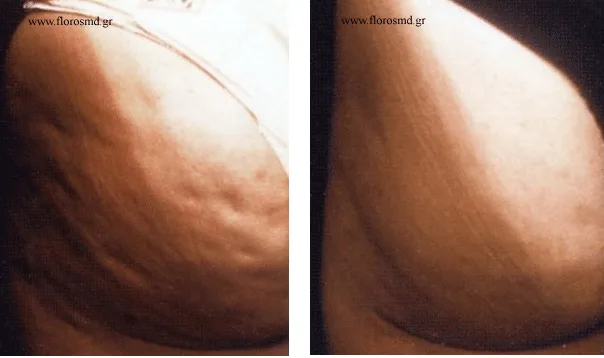
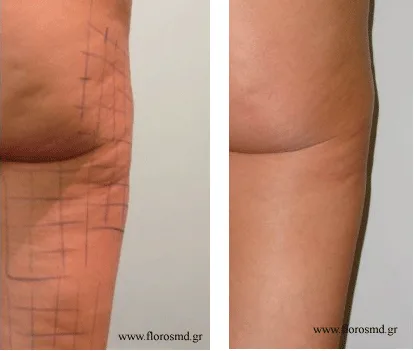
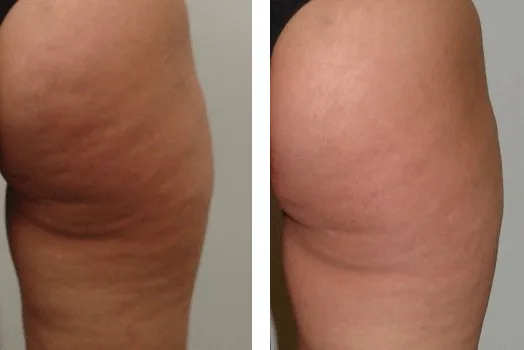
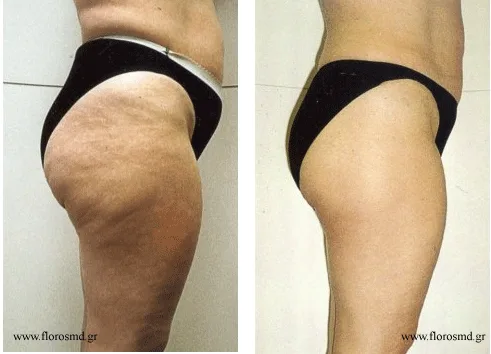
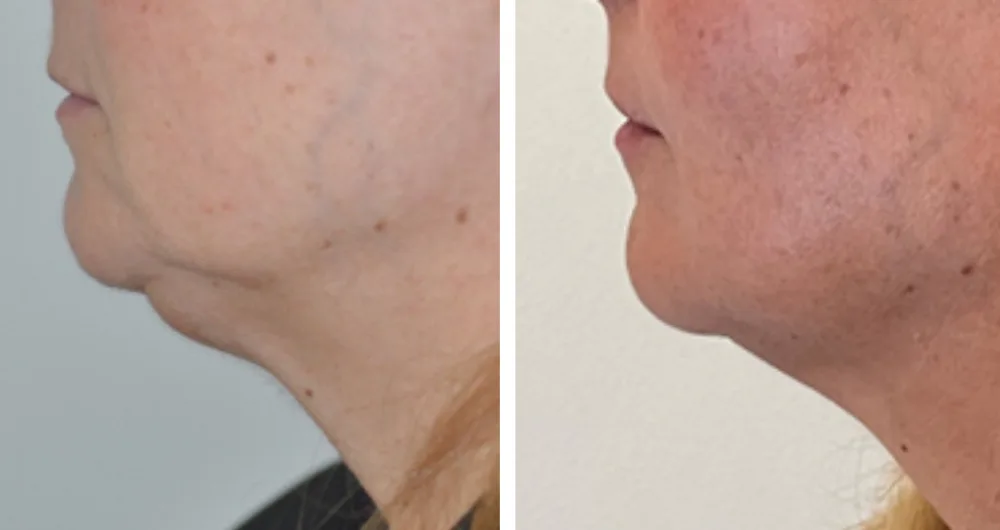
BEFORE & AFTER
FREQUENTLY ASKED QUESTIONS


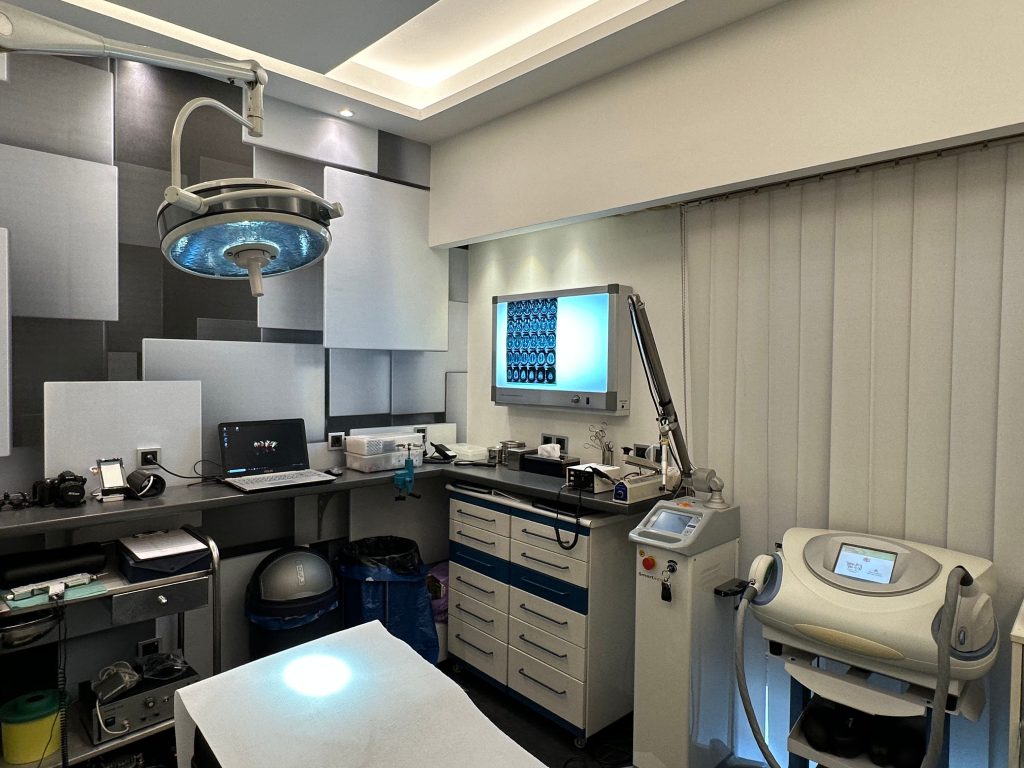
EXPERTISE & CARE
TRUST US WITH YOUR TREATMENT
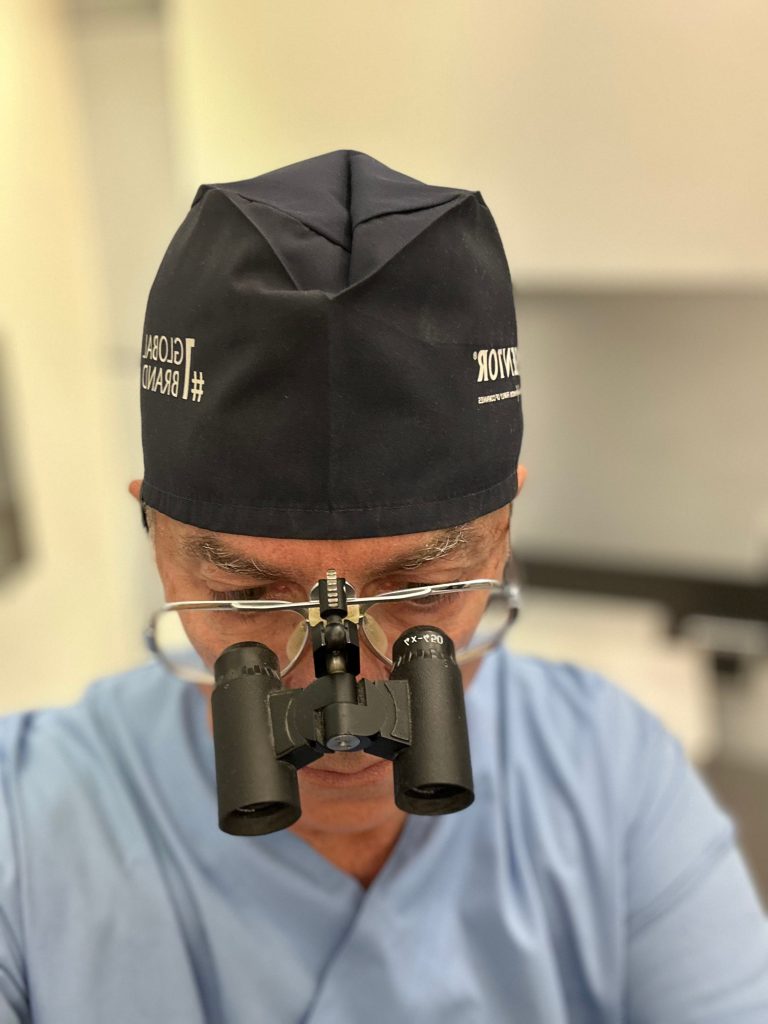
Dr. Konstantinos Floros was born in Athens, studied Medicine at the University of Thessaloniki, and specialized in Plastic Surgery in the United Kingdom. He has participated in specialized aesthetic surgery seminars in London and New York. In Greece, he practices privately with a focus on aesthetic plastic surgery and modern applications of cosmetic medicine and anti-aging. He has served as a Plastic Surgery registrar at the university hospitals Queen Mary’s University Hospital in London and Addenbrooke’s Hospital in Cambridge.






CUSTOMER REVIEWS
Το Trustindex επαληθεύει ότι η αρχική πηγή της κριτικής είναι Google. Το αποτέλεσμα ξεπέρασε και τα πιο τρελά μου όνειρα εξαιρετικόςΔημοσιεύτηκε στο GoogleΤο Trustindex επαληθεύει ότι η αρχική πηγή της κριτικής είναι Google. Ο καλύτερος πλαστικός Χειρουργος !!!! Και πάνω από όλα εξαιρετικός άνθρωπος πρόσφατα έκανα ένα V lift τέλειο φυσικό αποτέλεσμα με τοπική αναισθησία ,ο χώρος υπέροχος!!! ,οι κοπελιές μέσα πολύ ευγενικές και ευχάριστες 🥰Δημοσιεύτηκε στο GoogleΤο Trustindex επαληθεύει ότι η αρχική πηγή της κριτικής είναι Google. Εξαιρετικος!Δημοσιεύτηκε στο GoogleΤο Trustindex επαληθεύει ότι η αρχική πηγή της κριτικής είναι Google. Ένας εξαιρετικός γιατρός που κέρδισε την εμπιστοσύνη μου από την αρχή!Δημοσιεύτηκε στο GoogleΤο Trustindex επαληθεύει ότι η αρχική πηγή της κριτικής είναι Google. Dr. Konstantinos Floros... the best ever!!! He is a highly qualified plastic surgeon... ❤️Δημοσιεύτηκε στο GoogleΤο Trustindex επαληθεύει ότι η αρχική πηγή της κριτικής είναι Google. Εξαιρετικός γιατρός!!!Δημοσιεύτηκε στο GoogleΤο Trustindex επαληθεύει ότι η αρχική πηγή της κριτικής είναι Google. Εξαιρετικός γιατρός με εμπειρία! Εμπνέει εμπιστοσύνη. Ευχάριστο περιβάλλον και προσωπικό . Τον συστήνω ανεπιφύλακτα.
COME TO THE SPECIALISTS
If you have any questions, concerns or would like to make an appointment with Dr. Konstantinos Floros, please contact us.