
LIP HEMANGIOMAS
What are Lip Hemangiomas?
Lip hemangiomas belong to the category of vascular lesions and are benign tumors formed by the proliferation of blood vessels. They are a common vascular malformation that can significantly affect both the aesthetic appearance and, in some cases, the functionality of the mouth. Their treatment requires specialized expertise, especially when located in such a sensitive and visible area as the lip.
How do Lip Hemangiomas appear?
The majority of lip hemangiomas are infantile and appear shortly after birth. They are characterized by three phases:
• Proliferative Phase:
The first 6–9 years, during which the hemangioma grows rapidly.
• Plateau Phase:
Growth slows down.
• Involution Phase (Regression):
The hemangioma gradually shrinks and regresses on its own, a process that may take up to 7–10 years.
However, when located on the lip, complete regression is not always guaranteed, or it may leave residual atrophy, fibrosis, or skin laxity, requiring plastic surgical intervention.
What are the main symptoms and when is immediate treatment necessary?
The main symptom is the appearance of a red to dark cherry-colored swelling (resembling a strawberry) or a deeper bluish-purple mass, located on the upper or lower lip. While most lip hemangiomas follow a benign course, immediate medical intervention is required when:
• They cause functional impairment (e.g., difficulty feeding or speaking).
• They show ulceration (open wound) or frequent, uncontrolled bleeding.
• The growth rate is very rapid, threatening facial aesthetics and psychosocial development (especially in older children or adults).
• There is significant psychosocial distress due to the deformity.
What are the modern treatment options for Lip Hemangiomas?
Treatment is individualized based on the growth phase, size, and location of the lesion. Dr. Floros applies a range of techniques:
• Medical Therapy (Propranolol):
Used mainly during the proliferative phase to slow down rapid tumor growth.
• Laser Therapy:
Ideal for superficial hemangiomas or for treating residual red discoloration after regression. It is painless and leaves no scars.
• Surgical Removal (Excision):
The treatment of choice for large hemangiomas, lesions with residual deformities (excess skin or fatty tissue), and cases where other treatments have failed.
What are the advantages of surgical removal by a Plastic Surgeon?
When necessary, surgical treatment offers:
• Definitive elimination: Complete removal of the tumor, minimizing the risk of recurrence.
• Improved aesthetic result
• Restoration of functionality: Ensures proper function of the lip sphincter and natural movement without impairment.
• Immediate psychological improvement: Correction of the deformity leads to a significant boost in self-confidence.
When is surgery indicated for Lip Hemangiomas?
Surgical intervention is recommended:
• In cases of cavernous (deep) hemangiomas that do not respond to medical therapy.
• When the lesion is large in size.
• For removal of residual deformities (excess skin, fibrous tissue) after natural regression.
• In patients seeking a fast and definitive solution for aesthetic or professional reasons.
How is the surgical removal procedure performed?
Surgical removal of lip hemangiomas is usually performed under local anesthesia for small lesions or general anesthesia for larger ones:
• Preoperative planning:
Dr. Floros carefully designs the incisions to minimize scarring and preserve the natural anatomy of the lip.
• Removal:
The tumor is carefully excised. In cases involving large vessels, embolization may be performed beforehand to reduce bleeding.
• Reconstruction:
Specialized plastic techniques are used to close tissues without tension and maintain the natural volume of the lip.
What should I expect during recovery?
Recovery after surgical removal of lip hemangiomas is relatively quick:
• Swelling: Expected and usually subsides significantly within the first 5–7 days.
• Pain: Easily managed with standard painkillers.
• Return to work: Most patients resume daily activities within 3–5 days.
• Stitches: Removed approximately 7 days after surgery.
It is recommended to avoid hard or hot foods for a few days and to use antibiotic ointment as instructed by the doctor.
What are the possible risks or side effects?
Although treatment is safe, there are the usual low risks associated with any surgical procedure:
• Hematoma or infection (very rare).
• Temporary swelling or numbness.
• An initially noticeable scar, which gradually matures and becomes less visible.
BEFORE & AFTER
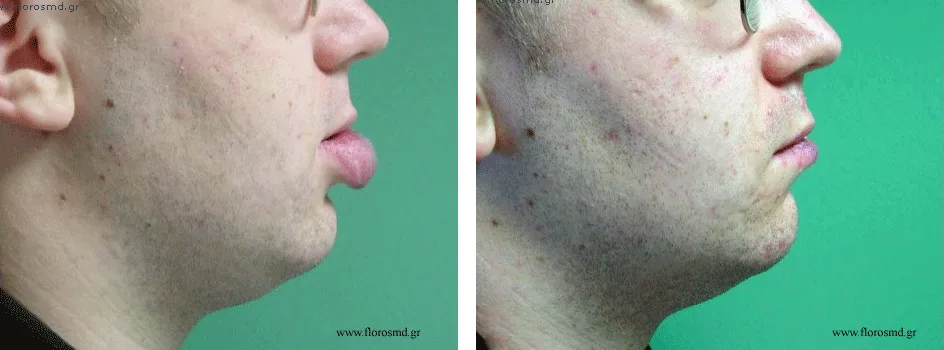
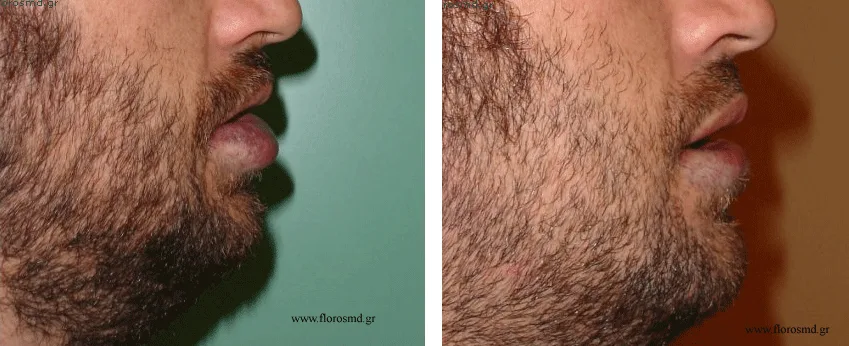
FREQUENTLY ASKED QUESTIONS

EXPERTISE & CARE
TRUST US WITH YOUR TREATMENT
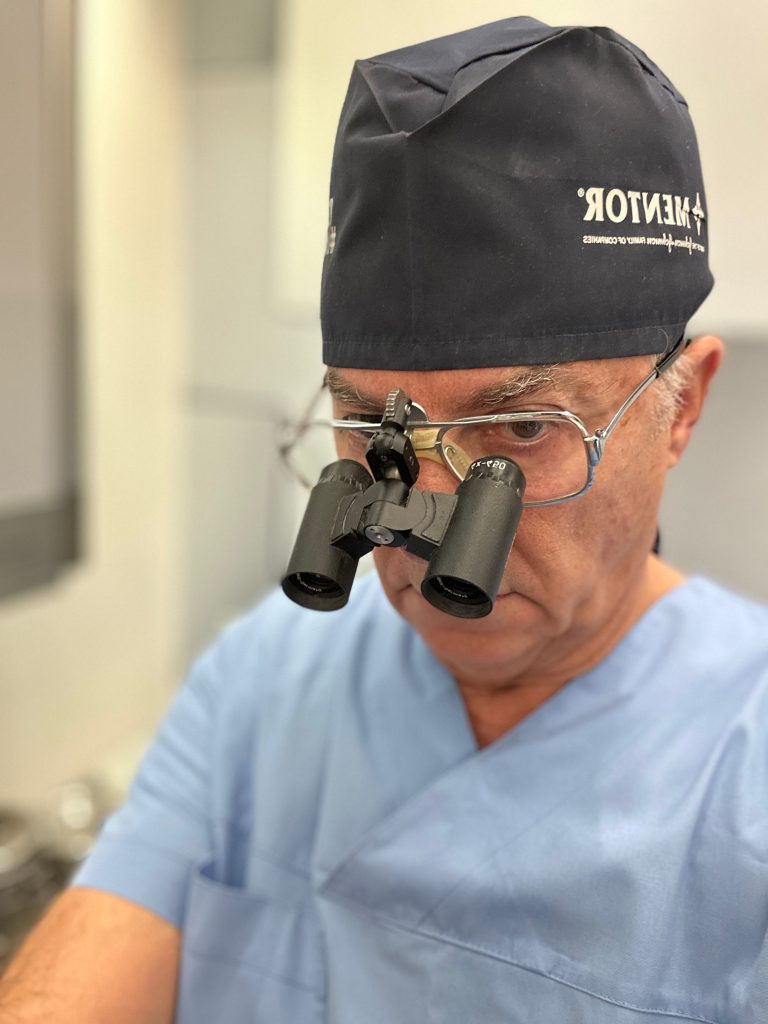
Dr. Konstantinos Floros was born in Athens, studied Medicine at the University of Thessaloniki, and specialized in Plastic Surgery in the United Kingdom. He has participated in specialized aesthetic surgery seminars in London and New York. In Greece, he practices privately with a focus on aesthetic plastic surgery and modern applications of cosmetic medicine and anti-aging. He has served as a Plastic Surgery registrar at the university hospitals Queen Mary’s University Hospital in London and Addenbrooke’s Hospital in Cambridge.






CUSTOMER REVIEWS
Το Trustindex επαληθεύει ότι η αρχική πηγή της κριτικής είναι Google. Το αποτέλεσμα ξεπέρασε και τα πιο τρελά μου όνειρα εξαιρετικόςΔημοσιεύτηκε στο GoogleΤο Trustindex επαληθεύει ότι η αρχική πηγή της κριτικής είναι Google. Ο καλύτερος πλαστικός Χειρουργος !!!! Και πάνω από όλα εξαιρετικός άνθρωπος πρόσφατα έκανα ένα V lift τέλειο φυσικό αποτέλεσμα με τοπική αναισθησία ,ο χώρος υπέροχος!!! ,οι κοπελιές μέσα πολύ ευγενικές και ευχάριστες 🥰Δημοσιεύτηκε στο GoogleΤο Trustindex επαληθεύει ότι η αρχική πηγή της κριτικής είναι Google. Εξαιρετικος!Δημοσιεύτηκε στο GoogleΤο Trustindex επαληθεύει ότι η αρχική πηγή της κριτικής είναι Google. Ένας εξαιρετικός γιατρός που κέρδισε την εμπιστοσύνη μου από την αρχή!Δημοσιεύτηκε στο GoogleΤο Trustindex επαληθεύει ότι η αρχική πηγή της κριτικής είναι Google. Dr. Konstantinos Floros... the best ever!!! He is a highly qualified plastic surgeon... ❤️Δημοσιεύτηκε στο GoogleΤο Trustindex επαληθεύει ότι η αρχική πηγή της κριτικής είναι Google. Εξαιρετικός γιατρός!!!Δημοσιεύτηκε στο GoogleΤο Trustindex επαληθεύει ότι η αρχική πηγή της κριτικής είναι Google. Εξαιρετικός γιατρός με εμπειρία! Εμπνέει εμπιστοσύνη. Ευχάριστο περιβάλλον και προσωπικό . Τον συστήνω ανεπιφύλακτα.
COME TO THE SPECIALISTS
If you have any questions, concerns or would like to make an appointment with Dr. Konstantinos Floros, please contact us.