
ANISOMASTIA (BREAST ASYMMETRY)
What is anisomastia (breast asymmetry)?
Anisomastia (breast asymmetry) is a term that describes the difference in appearance between the right and left breast. While most women have small differences that are clinically insignificant, in some cases the difference is significant and greatly affects both appearance and psychology. The role of an experienced Plastic Surgeon is to restore the greatest possible symmetry between the two breasts, using a full range of procedures, from augmentation and reduction to breast lift. The goal is for the final result to be harmonious with the woman’s overall body type.
What breast characteristics is anisomastia (breast asymmetry) related to?
Anisomastia (breast asymmetry) may involve various breast characteristics, such as:
• Size (one breast is significantly larger or smaller).
• Shape (e.g., different projection or contour).
• Nipple (position or size).
• Position (one breast sits lower than the other).
• The skin beneath the breast. In all cases, the differences between the nipples, shape, and volume of the two breasts are carefully evaluated during preoperative planning.
What are the most common causes of anisomastia (breast asymmetry)?
Anisomastia (breast asymmetry) may be due either to congenital (present from birth) or acquired factors, which include:
• Genetic causes or uneven development during puberty.
• Pregnancy and breastfeeding, which may cause uneven shrinkage or volume changes in the breasts.
• Weight loss or weight gain.
• Injuries or medical conditions (e.g., mastitis).
• Reconstruction after mastectomy.
• Poor outcomes from previous surgeries.
Who are the ideal candidates for correction of anisomastia (breast asymmetry)?
Ideal candidates are women who:
• Notice a significant difference in the size or shape of their breasts.
• Feel self-conscious and find that the difference affects their confidence.
• Are over 18 years old, as breast development is then complete.
• Are in good physical and mental health.
What are the benefits of surgical correction of anisomastia (breast asymmetry)?
Correction of anisomastia (breast asymmetry) offers multiple benefits:
• Restoration of body symmetry and harmony.
• Improvement of self-confidence and psychological well-being.
• Possibility of simultaneous augmentation, reduction, or breast lift.
• Permanent results, with symmetry maintained for many years.
• Individualized solution addressing the complex issue (volume, shape, nipple position).
What surgical options are available for treating anisomastia (breast asymmetry)?
Depending on the clinical assessment of each case of anisomastia (breast asymmetry), the most appropriate procedure will be chosen, which may include:
• Breast Augmentation (implants or fat transfer): In simpler cases, augmentation is performed only on the smaller breast, or on both breasts using different implant sizes to achieve symmetry.
• Breast Reduction: If one breast is hypertrophic (larger), reduction is performed on the larger breast to restore balance.
• Breast Lift (Mastopexy): If there is greater ptosis (sagging) in one breast, a lift may be performed only on the sagging breast or combined with augmentation of the other.
• Combination procedures: In complex cases, combined surgeries may be performed.
What is the duration of the procedure and recovery time for correcting anisomastia (breast asymmetry)?
The duration of the surgery for correcting anisomastia (breast asymmetry) depends on the combination of techniques used (augmentation, reduction, lift):
• Surgery duration: It may vary, but usually takes longer than a simple procedure.
• Recovery: Recovery depends on the chosen method. In general, wearing a special sports bra is required, and return to work and daily activities is determined by the doctor.
What is the appropriate age for a woman to undergo correction of anisomastia (breast asymmetry)?
Women with anisomastia (breast asymmetry) should undergo surgery after the age of 18, once breast development is fully complete. There are no other time restrictions.
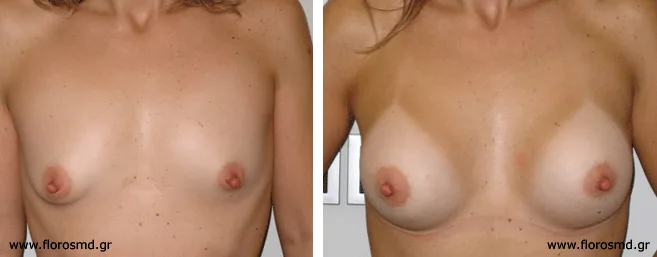
BEFORE & AFTER
FREQUENTLY ASKED QUESTIONS


EXPERTISE & CARE
TRUST US WITH YOUR TREATMENT
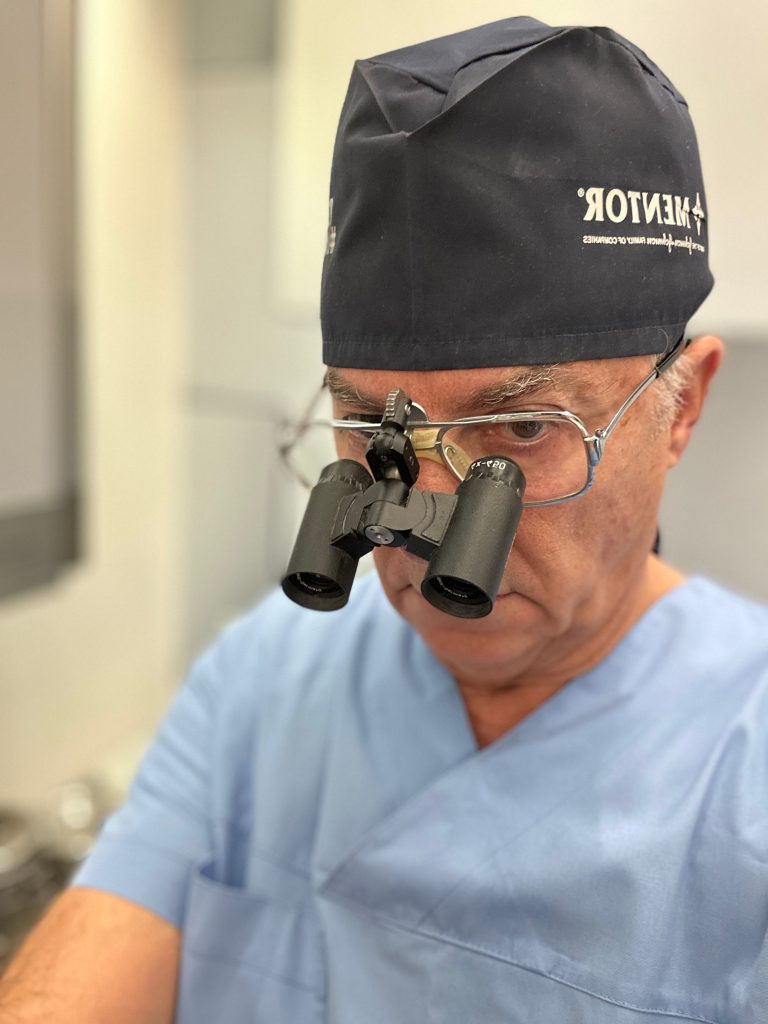
Dr. Konstantinos Floros was born in Athens, studied Medicine at the University of Thessaloniki, and specialized in Plastic Surgery in the United Kingdom. He has participated in specialized aesthetic surgery seminars in London and New York. In Greece, he practices privately with a focus on aesthetic plastic surgery and modern applications of cosmetic medicine and anti-aging. He has served as a Plastic Surgery registrar at the university hospitals Queen Mary’s University Hospital in London and Addenbrooke’s Hospital in Cambridge.






CUSTOMER REVIEWS
Το Trustindex επαληθεύει ότι η αρχική πηγή της κριτικής είναι Google. Το αποτέλεσμα ξεπέρασε και τα πιο τρελά μου όνειρα εξαιρετικόςΔημοσιεύτηκε στο GoogleΤο Trustindex επαληθεύει ότι η αρχική πηγή της κριτικής είναι Google. Ο καλύτερος πλαστικός Χειρουργος !!!! Και πάνω από όλα εξαιρετικός άνθρωπος πρόσφατα έκανα ένα V lift τέλειο φυσικό αποτέλεσμα με τοπική αναισθησία ,ο χώρος υπέροχος!!! ,οι κοπελιές μέσα πολύ ευγενικές και ευχάριστες 🥰Δημοσιεύτηκε στο GoogleΤο Trustindex επαληθεύει ότι η αρχική πηγή της κριτικής είναι Google. Εξαιρετικος!Δημοσιεύτηκε στο GoogleΤο Trustindex επαληθεύει ότι η αρχική πηγή της κριτικής είναι Google. Ένας εξαιρετικός γιατρός που κέρδισε την εμπιστοσύνη μου από την αρχή!Δημοσιεύτηκε στο GoogleΤο Trustindex επαληθεύει ότι η αρχική πηγή της κριτικής είναι Google. Dr. Konstantinos Floros... the best ever!!! He is a highly qualified plastic surgeon... ❤️Δημοσιεύτηκε στο GoogleΤο Trustindex επαληθεύει ότι η αρχική πηγή της κριτικής είναι Google. Εξαιρετικός γιατρός!!!Δημοσιεύτηκε στο GoogleΤο Trustindex επαληθεύει ότι η αρχική πηγή της κριτικής είναι Google. Εξαιρετικός γιατρός με εμπειρία! Εμπνέει εμπιστοσύνη. Ευχάριστο περιβάλλον και προσωπικό . Τον συστήνω ανεπιφύλακτα.
COME TO THE SPECIALISTS
If you have any questions, concerns or would like to make an appointment with Dr. Konstantinos Floros, please contact us.