
BLEPHAROPLASTY
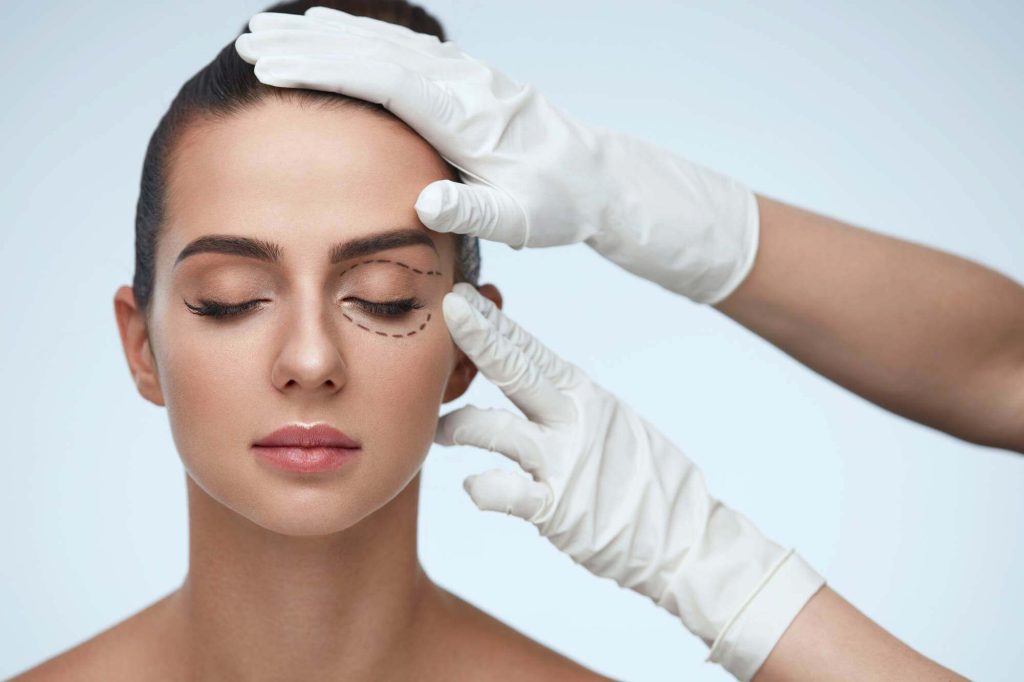
Blepharoplasty is one of the most popular plastic surgery procedures, aiming to restore the youthful appearance of the eyes and address signs of aging in the eye area. Since the skin around the eyes is thin and delicate, it is often the first area to show aging signs such as laxity, puffiness, dark circles, and under-eye “bags.”
What is blepharoplasty and why is it so effective?
Blepharoplasty is a specialized surgical technique that improves the appearance of the area around the eyes. It corrects changes caused by aging, genetics, or lifestyle factors. The procedure can be performed on the upper eyelids, lower eyelids, or both, aiming to remove excess skin, address fat protrusion, and, when necessary, reshape the muscle tissue.
Specifically, it can correct:
• Drooping upper eyelids (ptosis).
• Under-eye bags due to orbital fat protrusion.
• Dark circles.
• Wrinkles and skin laxity.
• In advanced cases, it can also restore functionality by improving peripheral vision obstructed by drooping upper eyelids.
What are the advantages of blepharoplasty?
Blepharoplasty offers significant aesthetic and functional benefits, making it an investment in your appearance and confidence:
• Refreshed & rested look: Eliminates the tired, sad, or aged appearance, restoring and bright lively look.
• Removal of “bags”: Removes or redistributes orbital fat responsible for under-eye bags.
• Smoothing wrinkles & laxity: Reduces excess skin and wrinkles.
• Natural & subtle result: Restores a natural look without obvious signs of surgery.
• Long-lasting results: Typically permanent and maintained for many years.
• Quick recovery: Minimally invasive with a short downtime (usually 5–7 days).
What is the procedure of blepharoplasty?
The procedure is individualized depending on whether it involves upper, lower, or both eyelids, as well as the patient’s age:
1. Upper Blepharoplasty
• Goal: Removal of excess skin and fat that weigh down the eyelids.
• Incision: Made along the natural crease of the upper eyelid, becoming practically invisible after healing.
• Duration: About 30–45 minutes for both eyelids.
2. Lower Blepharoplasty
• Goal: Removal of excess skin and/or treatment of orbital fat (bags).
• The incision is made just below the eyelashes, making it discreet after healing. Fat is redistributed (fat grafting) to reduce dark circles and restore a youthful contour.
3. Fat Grafting (Modern Technique)
Dr. Konstantinos Floros applies advanced fat grafting techniques, where fat is not discarded but redistributed:
• Hollows are filled and dark circles reduced.
• Prevents the long-term “hollowed” look caused by traditional fat removal.
• Provides a full, youthful, and long-lasting result.
What is the recovery time after blepharoplasty?
| Timeframe | What to Expect | Information |
| First 48 hours | Swelling and mild bruising are normal. | Use cold compresses and keep the head elevated. |
| Day 5–7 | Suture removal. | Return to office work and daily activities. |
| After suture removal | Makeup can be applied (with care). | Contact lenses can be used after day 4–5. |
| 10–15 days | Avoid intense physical activity. | Careful with sun exposure (use sunglasses) |
| 1–3 months | Scars are nearly invisible. | |
| 3–4 weeks (up to 6 months for lower eyelids) | Final aesthetic result stabilizes. |
Important note: Driving is not allowed immediately after surgery due to sedation, but you may travel as a passenger after two hours.
Is blepharoplasty performed under local anesthesia?
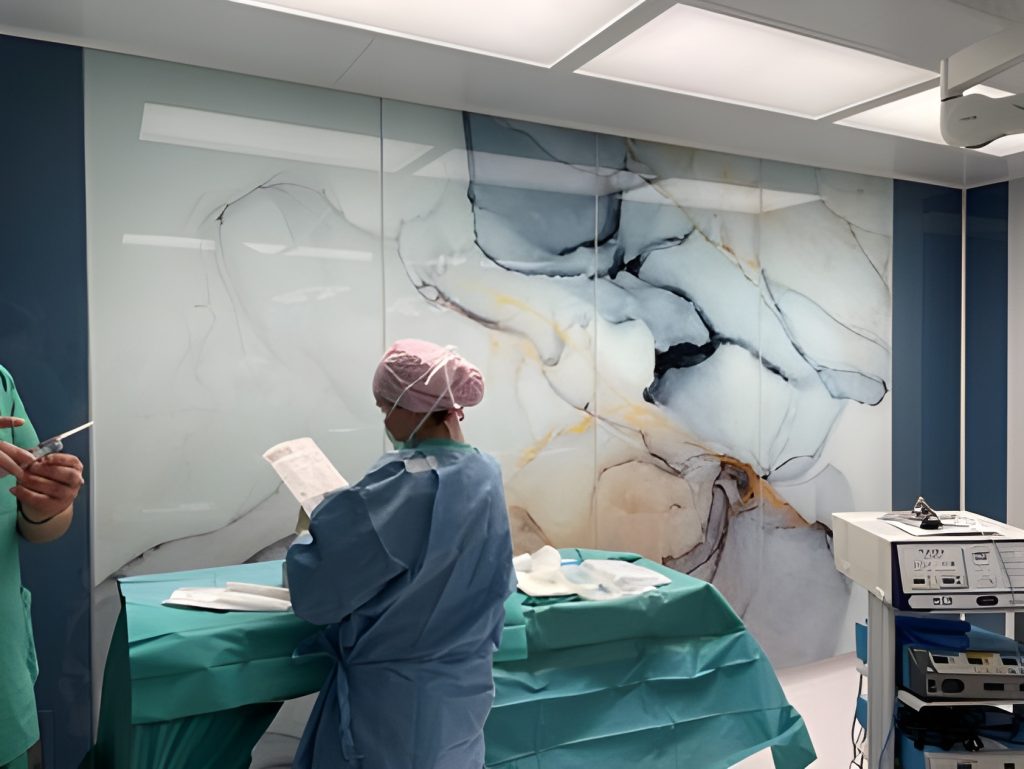
Blepharoplasty is a routine procedure usually performed under local anesthesia or local anesthesia with mild sedation:
• No pain during surgery.
• General anesthesia is only used if requested or deemed necessary.
• The procedure lasts about 45 minutes (for both upper and lower eyelids).
• Patients return home a few hours later.
• Any mild postoperative discomfort is easily managed with simple painkillers.
Who is a suitable candidate for blepharoplasty?
Blepharoplasty is suitable for both men and women who want to refresh their eye appearance:
• Age: Usually performed in the 40s–50s but can be done earlier, even in the 30s.
• Concerns: Ideal candidates are those who suiffer from:
• Drooping upper eyelids.
• Under-eye bags or fat deposits.
• Wrinkles around the eyes.
• Tired or sad appearance.
• Hereditary deformities or fat protrusion from a young age.
It is also indicated when drooping eyelids interfere with the visual field.
Can blepharoplasty be combined with other procedures?
Like any surgical procedure, blepharoplasty has a very low rate of possible complications, most of which are temporary and mild:
• Common & temporary: Swelling and minor bruising that resolve within days.
• Rare issues: Dry eyes (treated with drops) or increased tearing (about 1% of cases).
• Prevention: Dr. Konstantinos Floros takes a detailed medical history, performs clinical evaluation, and provides preoperative instructions (e.g. avoiding medications affecting blood clotting), minimizing risks.
In the hands of an experienced plastic surgeon, the procedure involves minimal to no discomfort.
Are there any risks or complications?
As with any surgery, blepharoplasty carries a very small risk of complications, which are usually mild and temporary:
• Common: Swelling and bruising.
• Rare: Dryness or tearing.
• Prevention: Careful preoperative assessment and proper instructions significantly reduce risks.
FREQUENTLY ASKED QUESTIONS
EXPERTISE & CARE
TRUST US WITH YOUR TREATMENT
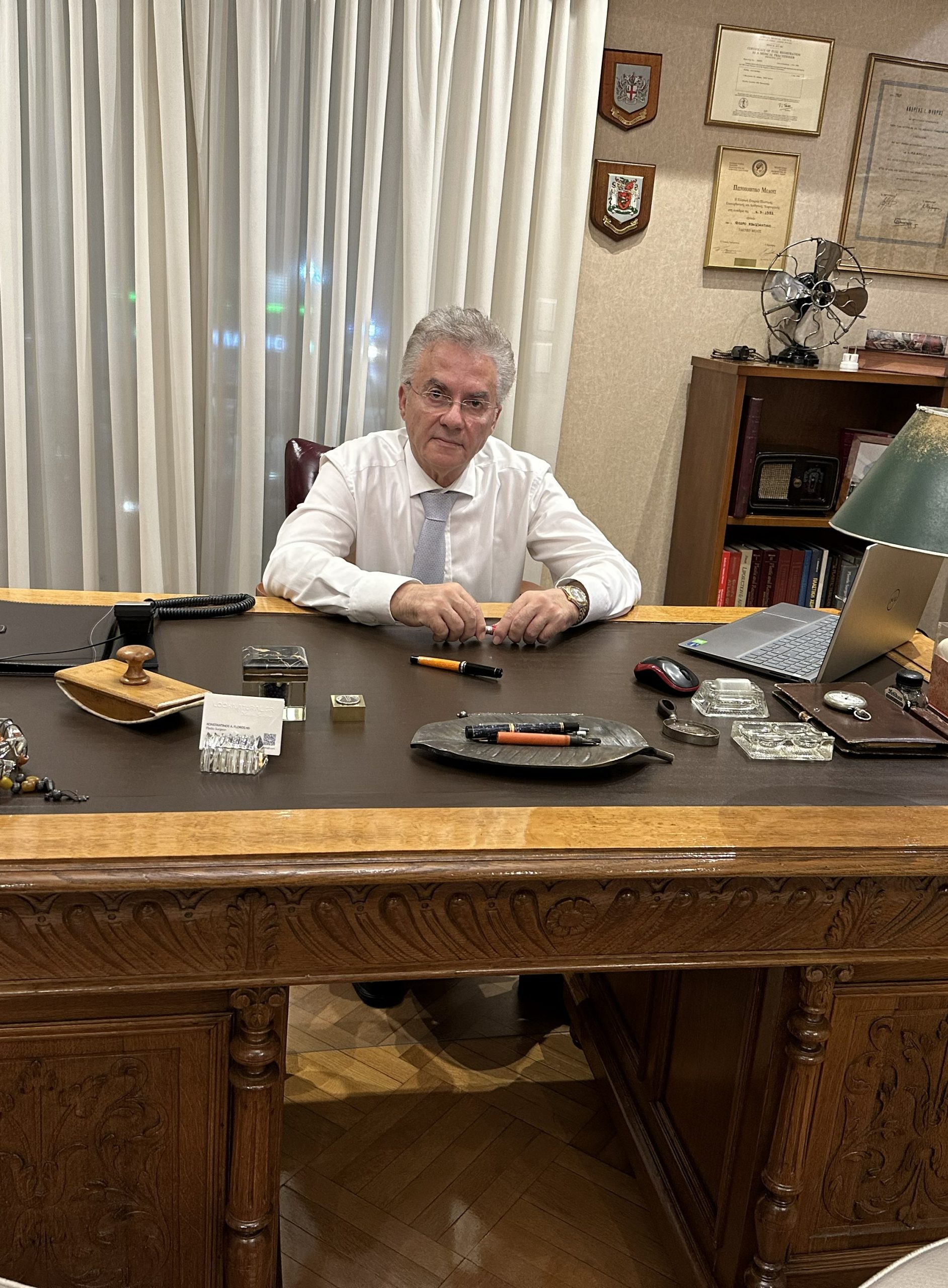
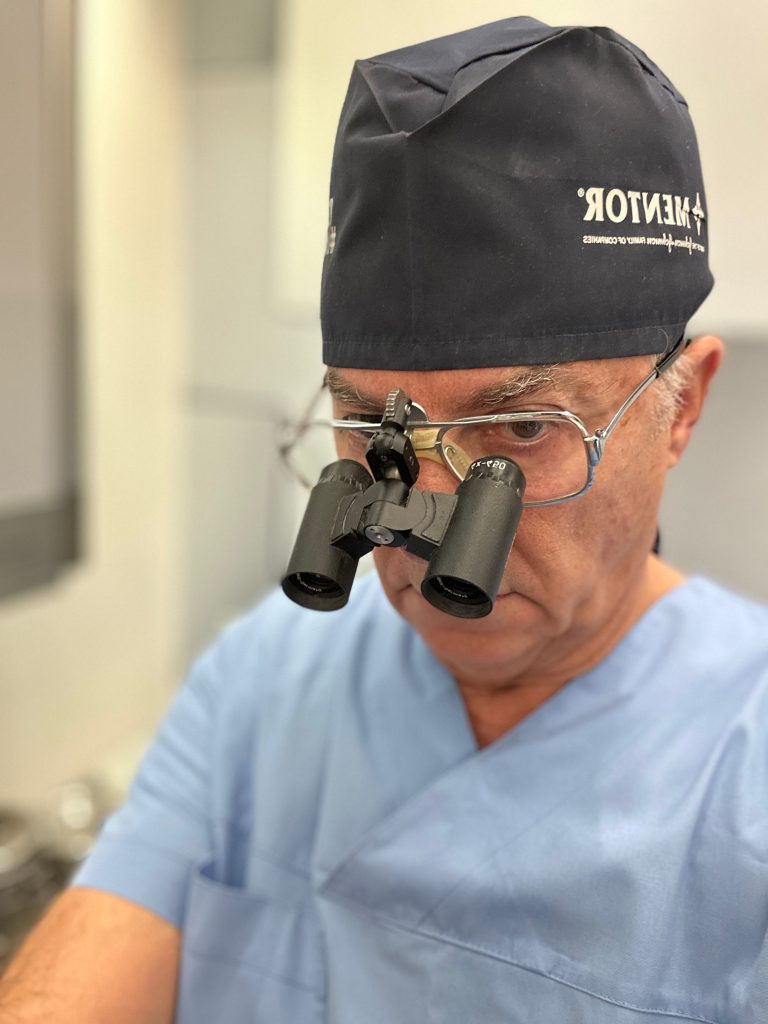
Dr. Konstantinos Floros was born in Athens, studied Medicine at the University of Thessaloniki, and specialized in Plastic Surgery in the United Kingdom. He has participated in specialized aesthetic surgery seminars in London and New York. In Greece, he practices privately with a focus on aesthetic plastic surgery and modern applications of cosmetic medicine and anti-aging. He has served as a Plastic Surgery registrar at the university hospitals Queen Mary’s University Hospital in London and Addenbrooke’s Hospital in Cambridge.



CUSTOMER REVIEWS
Το Trustindex επαληθεύει ότι η αρχική πηγή της κριτικής είναι Google. Το αποτέλεσμα ξεπέρασε και τα πιο τρελά μου όνειρα εξαιρετικόςΔημοσιεύτηκε στο GoogleΤο Trustindex επαληθεύει ότι η αρχική πηγή της κριτικής είναι Google. Ο καλύτερος πλαστικός Χειρουργος !!!! Και πάνω από όλα εξαιρετικός άνθρωπος πρόσφατα έκανα ένα V lift τέλειο φυσικό αποτέλεσμα με τοπική αναισθησία ,ο χώρος υπέροχος!!! ,οι κοπελιές μέσα πολύ ευγενικές και ευχάριστες 🥰Δημοσιεύτηκε στο GoogleΤο Trustindex επαληθεύει ότι η αρχική πηγή της κριτικής είναι Google. Εξαιρετικος!Δημοσιεύτηκε στο GoogleΤο Trustindex επαληθεύει ότι η αρχική πηγή της κριτικής είναι Google. Ένας εξαιρετικός γιατρός που κέρδισε την εμπιστοσύνη μου από την αρχή!Δημοσιεύτηκε στο GoogleΤο Trustindex επαληθεύει ότι η αρχική πηγή της κριτικής είναι Google. Dr. Konstantinos Floros... the best ever!!! He is a highly qualified plastic surgeon... ❤️Δημοσιεύτηκε στο GoogleΤο Trustindex επαληθεύει ότι η αρχική πηγή της κριτικής είναι Google. Εξαιρετικός γιατρός!!!Δημοσιεύτηκε στο GoogleΤο Trustindex επαληθεύει ότι η αρχική πηγή της κριτικής είναι Google. Εξαιρετικός γιατρός με εμπειρία! Εμπνέει εμπιστοσύνη. Ευχάριστο περιβάλλον και προσωπικό . Τον συστήνω ανεπιφύλακτα.
COME TO THE SPECIALISTS
If you have any questions, concerns or would like to make an appointment with Dr. Konstantinos Floros, please contact us.