
BREAST LIFT & REDUCTION
What is breast lift & reduction?
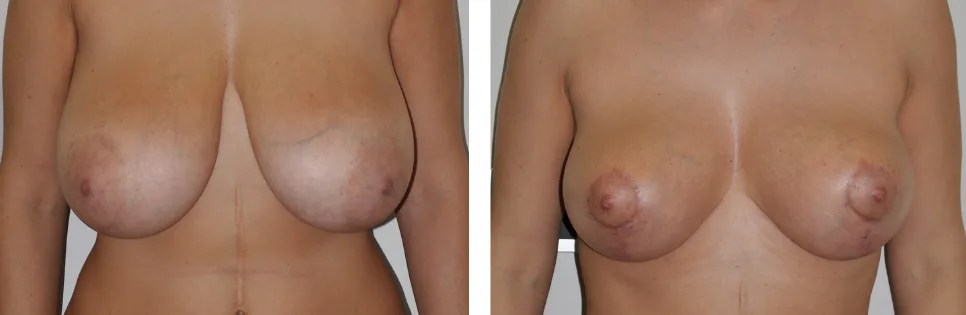
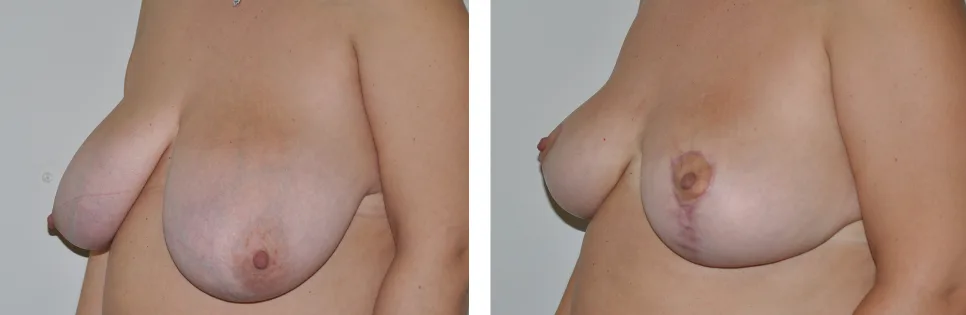
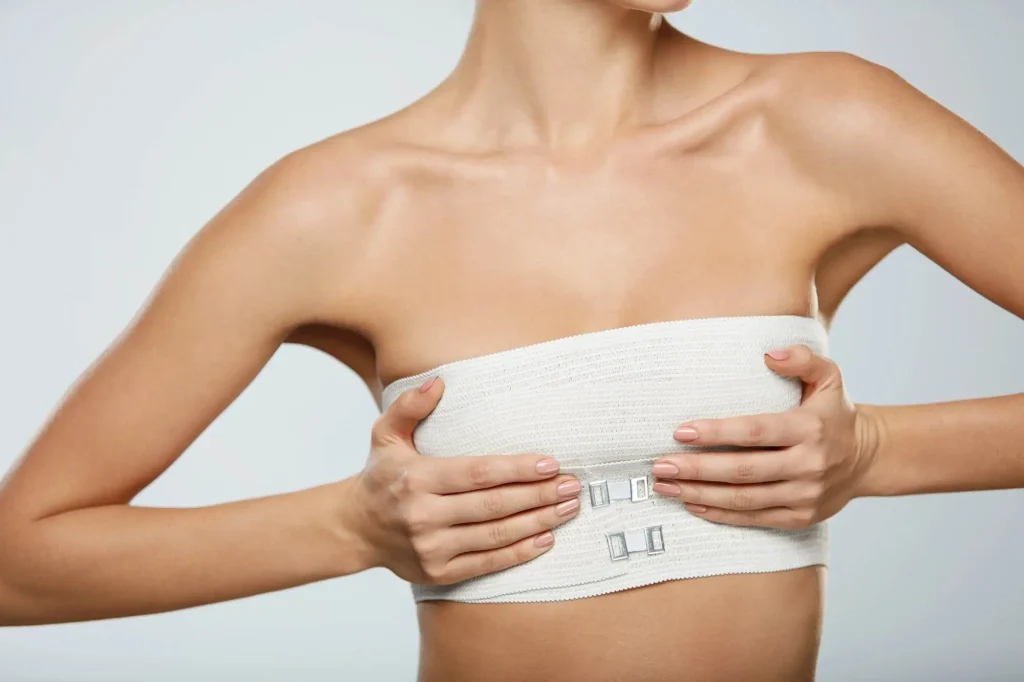
Breast lift & reduction is one of the most beneficial and comprehensive procedures in plastic surgery, as it addresses two main issues simultaneously: excessively large breast size (gigantomastia/macromastia) and breast sagging (ptosis).
It aims to reduce breast volume and improve breast shape with a simultaneous lift (mastopexy). The procedure results in smaller, firmer, more harmonious, and proportionate breasts, improving not only appearance but also the woman’s quality of life.
Which women is breast lift & reduction suitable for?
It is suitable for women who:
• Have excessively large and heavy breasts (macromastia/gigantomastia).
• Experience sagging breasts due to their weight.
• Suffer from functional problems such as chronic neck, back, or shoulder pain, skin irritation under the breasts, or difficulty with exercise/clothing.
• Wear a bra size D or larger.
• Are over 18 years old and in good physical and mental health.
The procedure may also be performed at younger ages (around 15) in cases of adolescent gigantomastia to prevent severe sagging and symptoms caused by excessive weight.
What are the advantages of breast lift & reduction?
Breast lift & reduction offers significant benefits, both aesthetic and functional:
• Restoration of proportion: The breasts become harmonious with the body.
• Contouring & tightening: Achieving a firm, youthful, and natural shape.
• Relief of functional problems: Reduction of neck/back pain and lower risk of skin irritation.
• Psychological improvement: Increased self-confidence and self-esteem.
• Correction of asymmetry.
• Reduction of stretch marks associated with breast enlargement.
• Long-lasting results: The reduction results are permanent.
How is breast lift & reduction performed and what techniques are used?
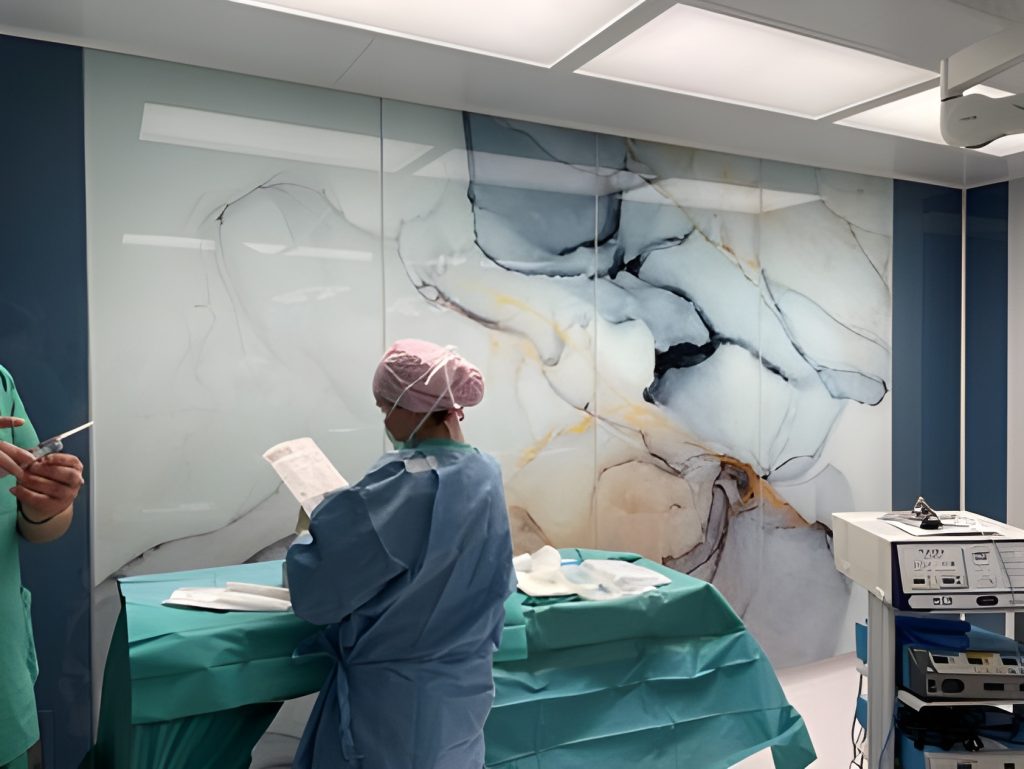
The procedure is performed under general anesthesia. During the operation (approximately 2–4 hours), part of the fat and glandular tissue is removed, and excess skin is excised.
The nipple and areola are repositioned higher along with their blood vessels and nerves, preserving sensitivity and, with modern techniques, the ability to breastfeed.
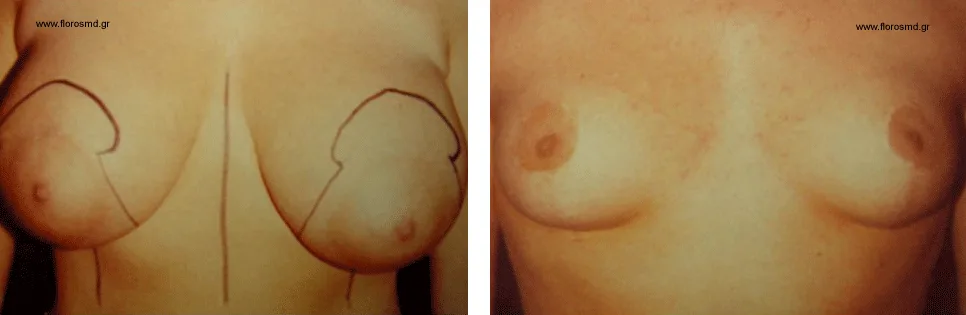
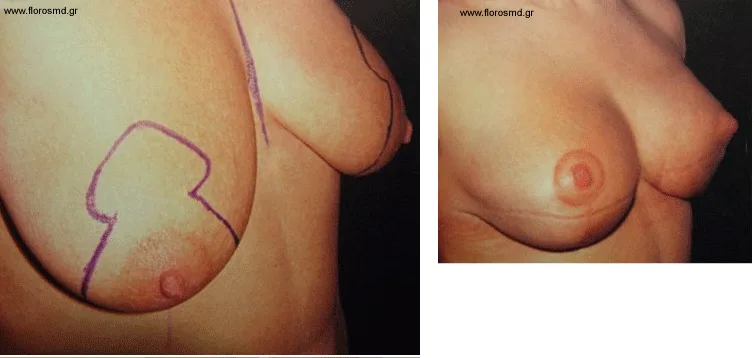
Modern techniques aim for smaller scars (vertical mammoplasty). However, in cases of very large or significantly sagging breasts, techniques with larger incisions may be used (e.g., inverted T or anchor-shaped).
Dr. Konstantinos Floros selects the appropriate technique based on size, degree of sagging, and the patient’s anatomy.
Will I need to stay in the hospital after breast lift & reduction?
Since the procedure is performed under general anesthesia, an overnight stay in the hospital is usually required. The next day, drains (if placed) are removed and the patient can be discharged.
In some clinics, same-day discharge may be possible with modern techniques.
Is breast lift & reduction painful?
Postoperative pain is usually minimal. Discomfort is fully manageable with simple painkillers.
In fact, chronic back or neck pain that existed before the procedure is often significantly reduced or completely relieved from the second day onward.
When can I return to my activities after breast lift & reduction?
• Light activities & office work: Return within 4–7 days.
• Intense exercise: Avoid for at least 1 month.
• Sudden movements/heavy lifting: Avoid during the first 5 days.
How are the results maintained long-term?
The results of breast reduction are permanent, as part of the glandular tissue and fat is permanently removed. However, maintaining the shape and lift depends on:
• Weight stability: Significant weight fluctuations may affect the result.
• Natural aging: Over time, aging may cause some degree of sagging.
• Future pregnancies: It is recommended to undergo the procedure after completing childbearing, as pregnancy and breastfeeding may alter the results.
What preparation is required before breast lift & reduction?
Before the procedure, Dr. Floros will take a detailed medical history and perform a clinical examination. Basic preparation includes:
• Smoking cessation: It is recommended to stop smoking (all nicotine forms) for at least six weeks before surgery, as it reduces blood flow and delays healing.
• Medication: Avoid aspirin, anti-inflammatory drugs, and certain supplements (vitamins/herbs) that affect blood clotting.
• Preoperative testing: Laboratory tests are required and, depending on age, a breast ultrasound or mammogram.
Is there a risk I won’t be able to breastfeed after breast lift & reduction?
With modern surgical techniques, care is taken to preserve the milk ducts and blood supply to the mammary glands. While there was some risk in the past, today breastfeeding ability is generally preserved.
However, due to the removal of part of the glandular tissue, milk production may be reduced, although the body often compensates. No increased silicone levels have been found in the breast milk of women with implants.
When will I see the final result?
A very good initial result is visible immediately after surgery. However, the breasts will be swollen, and the final shape and result are usually achieved within 3–6 months.
Scars reach their final appearance after approximately one year.
Will the scars disappear after breast lift & reduction?
They do not disappear completely but are placed in strategic locations. Incisions typically include:
• Periareolar (around the nipple).
• Vertical (from the nipple to the inframammary fold).
• Horizontal (along the inframammary fold, forming an “anchor” or “inverted T” shape).
Over time, scars fade and take on the color of the surrounding skin.
BEFORE & AFTER
FREQUENTLY ASKED QUESTIONS
EXPERTISE & CARE
TRUST US WITH YOUR TREATMENT
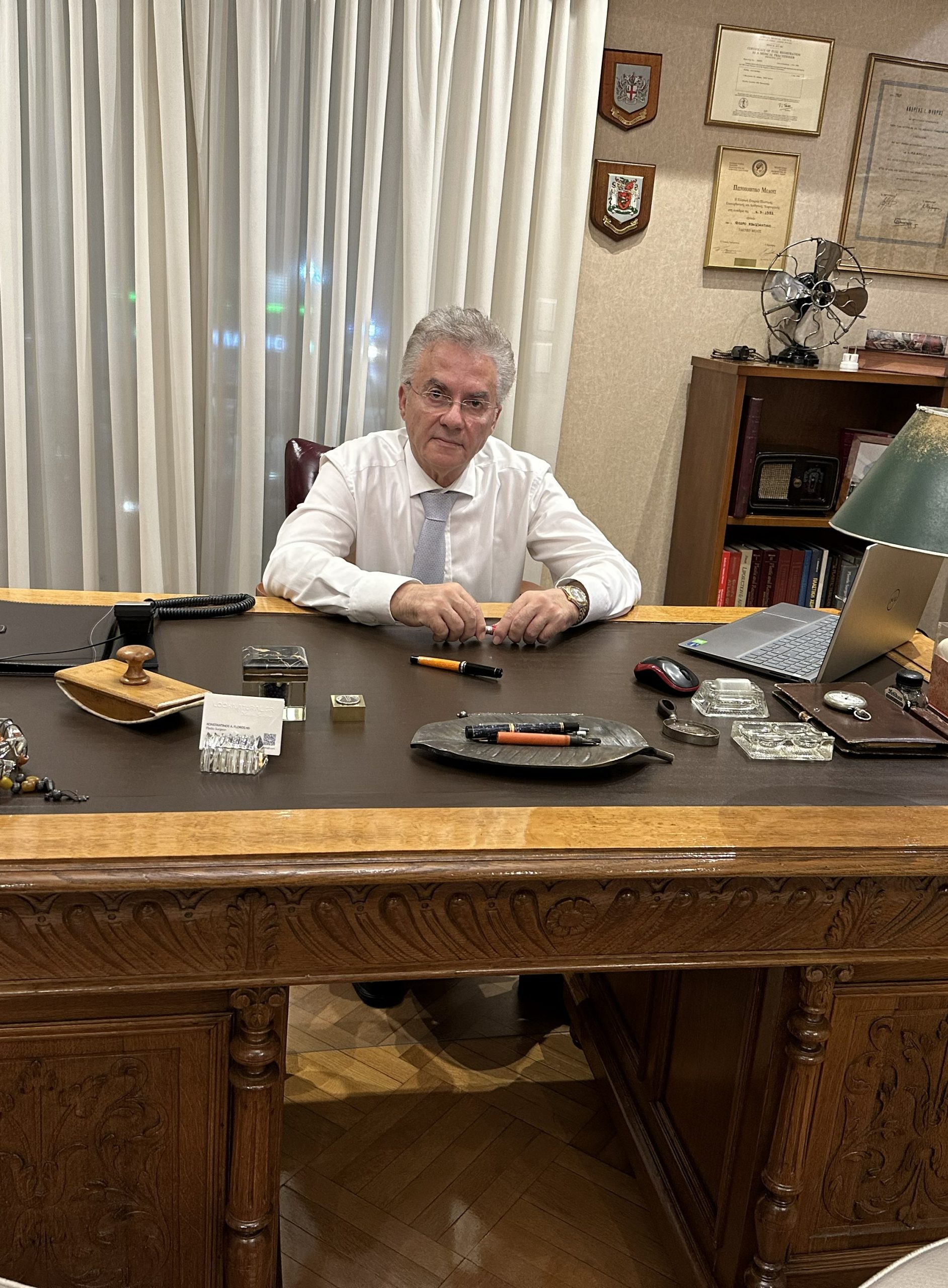
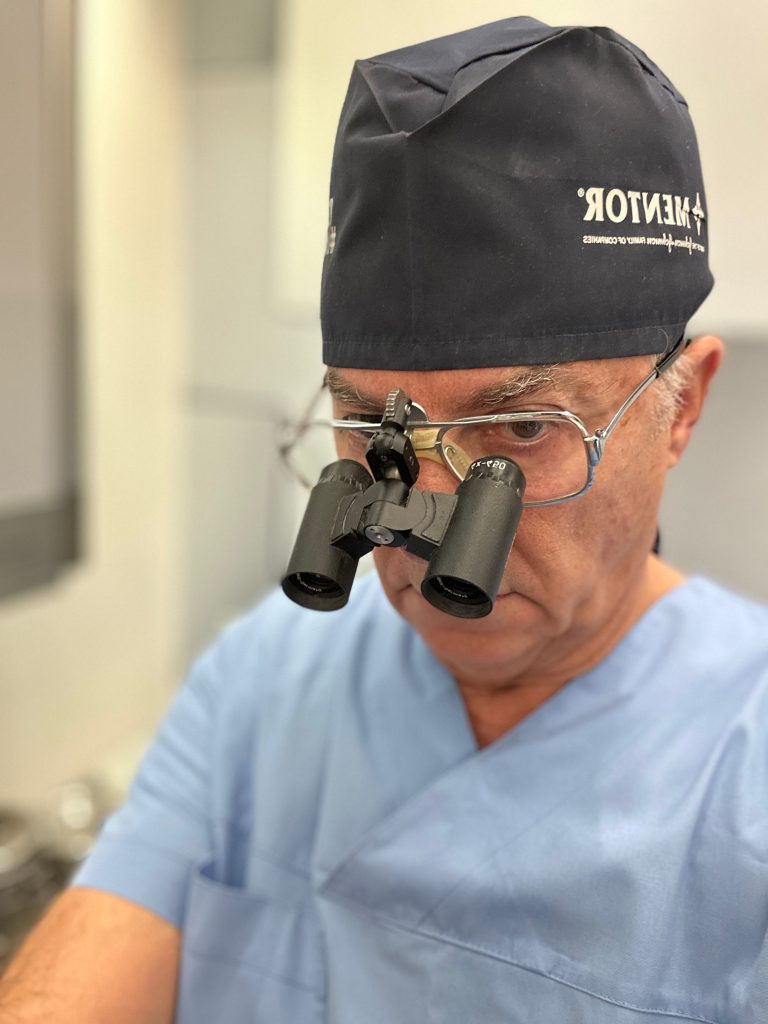
Dr. Konstantinos Floros was born in Athens, studied Medicine at the University of Thessaloniki, and specialized in Plastic Surgery in the United Kingdom. He has participated in specialized aesthetic surgery seminars in London and New York. In Greece, he practices privately with a focus on aesthetic plastic surgery and modern applications of cosmetic medicine and anti-aging. He has served as a Plastic Surgery registrar at the university hospitals Queen Mary’s University Hospital in London and Addenbrooke’s Hospital in Cambridge.






CUSTOMER REVIEWS
Το Trustindex επαληθεύει ότι η αρχική πηγή της κριτικής είναι Google. Το αποτέλεσμα ξεπέρασε και τα πιο τρελά μου όνειρα εξαιρετικόςΔημοσιεύτηκε στο GoogleΤο Trustindex επαληθεύει ότι η αρχική πηγή της κριτικής είναι Google. Ο καλύτερος πλαστικός Χειρουργος !!!! Και πάνω από όλα εξαιρετικός άνθρωπος πρόσφατα έκανα ένα V lift τέλειο φυσικό αποτέλεσμα με τοπική αναισθησία ,ο χώρος υπέροχος!!! ,οι κοπελιές μέσα πολύ ευγενικές και ευχάριστες 🥰Δημοσιεύτηκε στο GoogleΤο Trustindex επαληθεύει ότι η αρχική πηγή της κριτικής είναι Google. Εξαιρετικος!Δημοσιεύτηκε στο GoogleΤο Trustindex επαληθεύει ότι η αρχική πηγή της κριτικής είναι Google. Ένας εξαιρετικός γιατρός που κέρδισε την εμπιστοσύνη μου από την αρχή!Δημοσιεύτηκε στο GoogleΤο Trustindex επαληθεύει ότι η αρχική πηγή της κριτικής είναι Google. Dr. Konstantinos Floros... the best ever!!! He is a highly qualified plastic surgeon... ❤️Δημοσιεύτηκε στο GoogleΤο Trustindex επαληθεύει ότι η αρχική πηγή της κριτικής είναι Google. Εξαιρετικός γιατρός!!!Δημοσιεύτηκε στο GoogleΤο Trustindex επαληθεύει ότι η αρχική πηγή της κριτικής είναι Google. Εξαιρετικός γιατρός με εμπειρία! Εμπνέει εμπιστοσύνη. Ευχάριστο περιβάλλον και προσωπικό . Τον συστήνω ανεπιφύλακτα.
COME TO THE SPECIALISTS
If you have any questions, concerns or would like to make an appointment with Dr. Konstantinos Floros, please contact us.