
ACNE SCARS
What are acne scars?
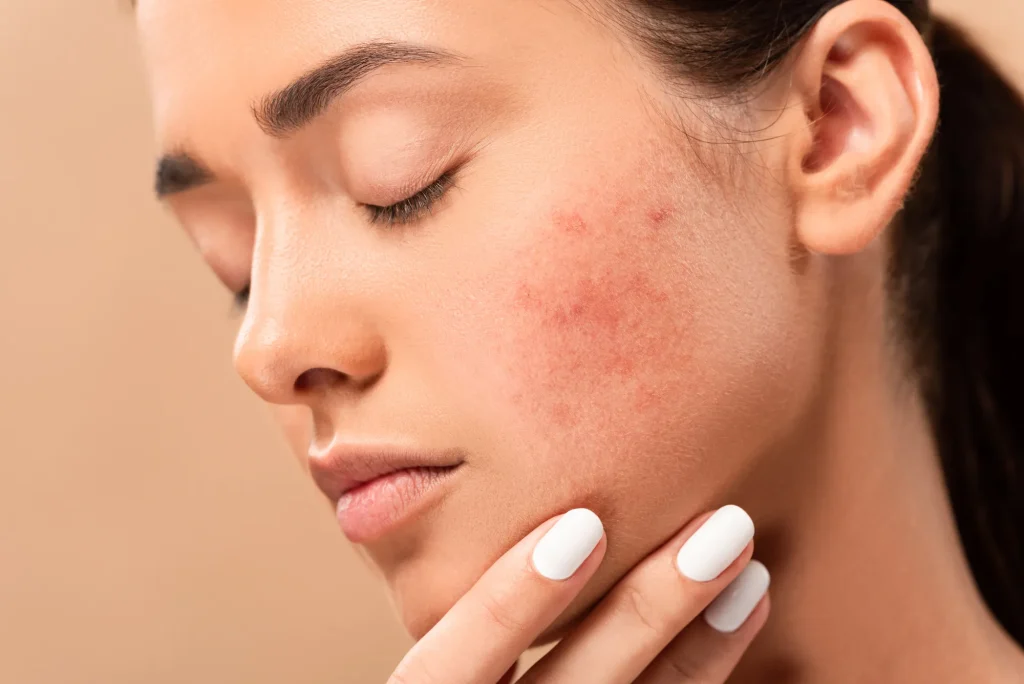
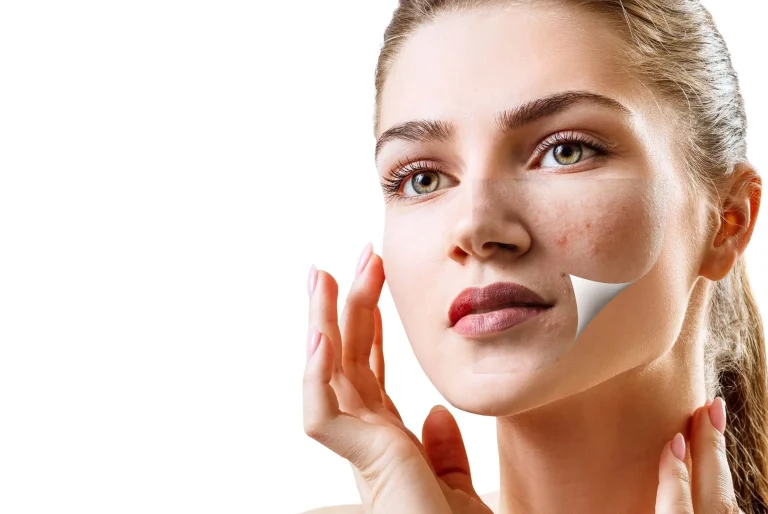
No matter how much we dislike them, acne scars are here to stay. They are remnants of adolescence that leave lifelong marks, mainly on the face, following repeated episodes of skin inflammation and unsuccessful attempts at treatment and concealment.
Their treatment is far from simple, although there are many available options, which are not always easy. With a combination of treatments tailored to each patient, we can achieve impressive results.
What causes acne scars?
The most characteristic cases of acne scars occur when, after an inflammatory process, there is localized deep destruction of the skin. Specifically, the body attempts to repair the damage, but either does not produce enough collagen (creating atrophic or depressed scars), or produces too much (creating hypertrophic or raised scars). In the case of depressed scars, new collagen is deposited at the base of the lesion, resulting in the appearance of a sunken scar.
What types of acne scars are there?
Acne scars are generally classified into 3 main categories: atrophic (loss of tissue), hypertrophic, and keloid (excess tissue production):
- Atrophic Acne Scars: This is the most common type of acne scar and results from insufficient collagen production during the healing of inflammatory acne, leading to tissue loss and the formation of a depression in the skin. They include three main subcategories:
- Narrow Deep Scars (Ice-Pick Scars): These are narrow, deep, “hole-like” scars resembling marks made by an ice pick. They extend deep into the dermis. They are usually < 2 mm and their treatment options are more invasive.
- Boxcar Scars: These have a wider, square or rounded appearance with vertical, well-defined edges (clear “walls”) and a flat base. They resemble craters or chickenpox scars. Their depth may vary from superficial to deep.
- Rolling Scars: These are caused by fibrous bands of tissue that connect the epidermis to the underlying fatty tissue. This tension creates a wavy or uneven contour on the skin surface, without clear boundaries like boxcar scars. They are usually wide and shallow.
- Hypertrophic Acne Scars: These are formed due to excessive collagen production during the healing process. They protrude above the skin surface and are raised and firm, but remain within the original boundaries of the affected area (i.e., the initial acne lesion).
- Keloid Acne Scars: Like hypertrophic scars, they result from excessive collagen production, but keloids extend beyond the original boundaries of the lesion, forming a larger, raised mass of fibrous tissue. They are less common on the face, more frequently appearing on areas such as the chest, back, and earlobes, and are more likely in individuals with a genetic predisposition.
What are the types of treatment for acne scars?
Depending on the case, type, and severity, acne scar treatment can range from completely superficial, mild, and non-invasive to more specialized and/or invasive. Available treatment options include:
- Microdermabrasion (exfoliation and removal of superficial layers).
- Chemical peels (stimulate fibroblasts to produce collagen).
- Targeted injection of hyaluronic acid.
- Fractional CO2 Laser.
- Growth factors (Platelet-Rich Plasma – PRP).
- Minor surgical excision and suturing for ice-pick scars.
- Mechanical abrasion.
- Full skin lifting (facelift) in very specific cases.
- Steroid injections in cases of hypertrophic or keloid scars.
In recent years, techniques involving the injection of materials such as hyaluronic acid, as well as fat transfer from another part of the body (micro and nanofat grafting), have been applied with great success. In addition to restoring volume, fat—due to the stem cells it contains—provides regenerative benefits, improving skin quality in the treated area.
How is acne scar treatment performed with microdermabrasion and what are its advantages?
Depending on the case, type and severity of the condition, the treatment for acne scars can range from completely superficial, mild and non-invasive, to more specialized and/or invasive. The available treatment options are as follows:
- Microdermabrasion (exfoliation and removal of superficial layers).
- Chemical peels (stimulate fibroblasts to produce collagen).
- Subcision.
- Targeted placement of hyaluronic acid.
- Fractional CO2 Laser.
- Growth factors (growth factors with Platelets Rich Plasma).
- Microsurgical excision and suturing for icepick scars.
- Mechanical dermabrasion.
- Full skin lift (face lift) in very specific cases.
- Steroid injections in the case of hypertrophic scars or keloids.
In recent years we have applied with great success techniques with injection of materials, such as hyaluronic acid but also fat transfer from another part of the body (micro and nanofat grafting). In addition to its ability to restore volume, due to the stem cells it contains, fat also provides regenerative services, improving the quality of the skin in the area where it is placed.
Microdermabrasion is a mild and non-invasive method in which exfoliation and removal of the superficial layers of the epidermis (dead cells) are achieved. This provides a strong stimulus for skin regeneration, smoothing the appearance and reducing the depth of scars. It is applied in very mild cases.
Advantages:
- Minimally invasive method.
- Improves skin texture and uniformity.
- Stimulates collagen and elastin production.
- Suitable for mild scars and marks.
- Quick and painless procedure.
How is acne scar treatment performed with chemical peels and what are their advantages?
In acne scar treatment with chemical peels, a special acidic solution (such as alpha hydroxy acids – AHA or trichloroacetic acid – TCA) is applied to the skin surface. The acid causes controlled exfoliation of the upper layers. This process stimulates skin fibroblasts to produce new collagen, resulting in smoother and more elastic skin.
Advantages:
- Safe and effective method.
- Customized (superficial, medium, deep) depending on needs.
- Reduces scars and marks, restoring healthier skin.
- Also improves discoloration and pigmentation.
How is acne scar treatment performed with subcision and what are its advantages?
Subcision is an invasive method for acne scars, especially for deep, depressed rolling scars. It is performed by inserting a special needle under the scar to break the fibrous bands that pull the scar downward (tethering). Releasing these bands allows the scar to lift.
Advantages:
- Ideal for deep “rolling” scars.
- Immediate release of underlying scar tension.
- Promotes collagen production in the area.
- Often successfully combined with fillers for optimal results.
How is acne scar treatment performed with hyaluronic acid and what are its advantages?
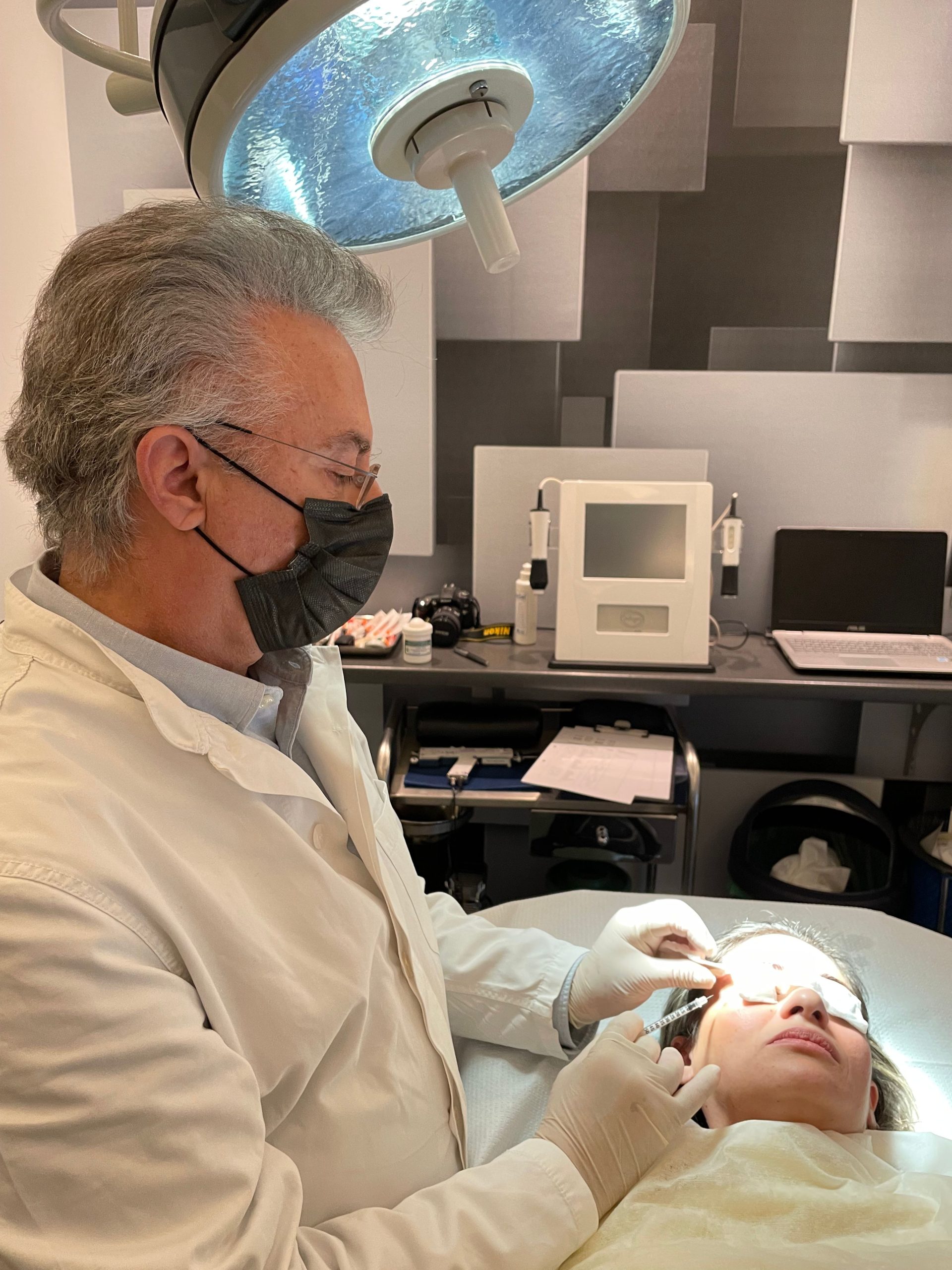
Treatment with hyaluronic acid involves injecting it precisely beneath the atrophic scar (those with depressions, such as boxcar or rolling scars). The skin is first numbed with an anesthetic cream, followed by targeted placement of the material, achieving immediate surface smoothing. In addition to restoring volume instantly, hyaluronic acid stimulates natural collagen production over time, contributing to long-term improvement in skin texture.
Advantages of Hyaluronic Acid:
- Immediate result: visible correction right after application.
- Safety: it is a resorbable substance naturally present in the body (minimal risk of allergic reaction).
- Non-invasive method: simple, quick, performed in the clinic.
- Minimal downtime: immediate return to daily activities (mild swelling or bruising may occur).
- Collagen stimulation: improves overall skin quality over time.
How is acne scar treatment performed with Fractional CO2 Laser and what are its advantages?
Fractional CO2 Laser is considered the gold standard in laser resurfacing treatments for acne scars. The energy beam is divided into multiple smaller beams, creating microscopic columns of ablation (dots) on the skin while leaving surrounding tissue intact, ensuring faster recovery. This controlled injury stimulates intense collagen regeneration while minimizing downtime. It is an ideal option in many cases, often combined with other treatments.
Advantages:
- Gold standard for skin resurfacing and scar reduction.
- Combines fast recovery with effective and safe results.
- Dramatic improvement in scar appearance in few sessions (1–3).
- Reduces scars, spots, and smooths the skin.
How is acne scar treatment performed with growth factors (PRP) and what are its advantages?
Treatment with Platelet-Rich Plasma (PRP) is a minimally invasive method that uses the body’s own growth factors to stimulate healing and skin regeneration.
Advantages:
- Natural (autologous) treatment.
- Minimal risk of allergy or reaction.
- Improves scars from within.
- Enhances skin radiance and quality.
- Minimal recovery time.
- Can be combined with other treatments such as Fractional CO2 Laser.
- Safe for all skin types.
How is acne scar treatment performed with microsurgical excision and what are its advantages?
Microsurgical excision is a delicate, minimally invasive procedure particularly effective for ice-pick scars. It involves removing the entire scar with a minimal incision equal to the lesion’s diameter (usually 1–1.5 mm), followed by microsurgical suturing.
Advantages:
- Permanent removal of the scar.
- Ideal for ice-pick scars.
How is acne scar treatment performed with mechanical dermabrasion and what are its advantages?
Mechanical dermabrasion is an invasive method involving the mechanical removal of the superficial layers of acne-affected skin under local or general anesthesia, aiming at final restoration. A key disadvantage is the long recovery time.
Advantages:
- Very effective for deeper acne scars.
- Dramatic improvement in skin texture.
- Stimulates intense regeneration due to extensive tissue removal.
How is acne scar treatment performed with full skin lifting (facelift) and what are its advantages?
Full skin lifting (facelift) is a highly specialized surgical approach applied in very specific cases of severe acne scars where significant skin laxity is also present. The procedure aims to tighten and lift the skin and is part of combined treatment approaches.
Advantages:
- Significant smoothing of scars in cases of severe laxity.
- Combines scar treatment with anti-aging effects.
- Provides long-lasting results.
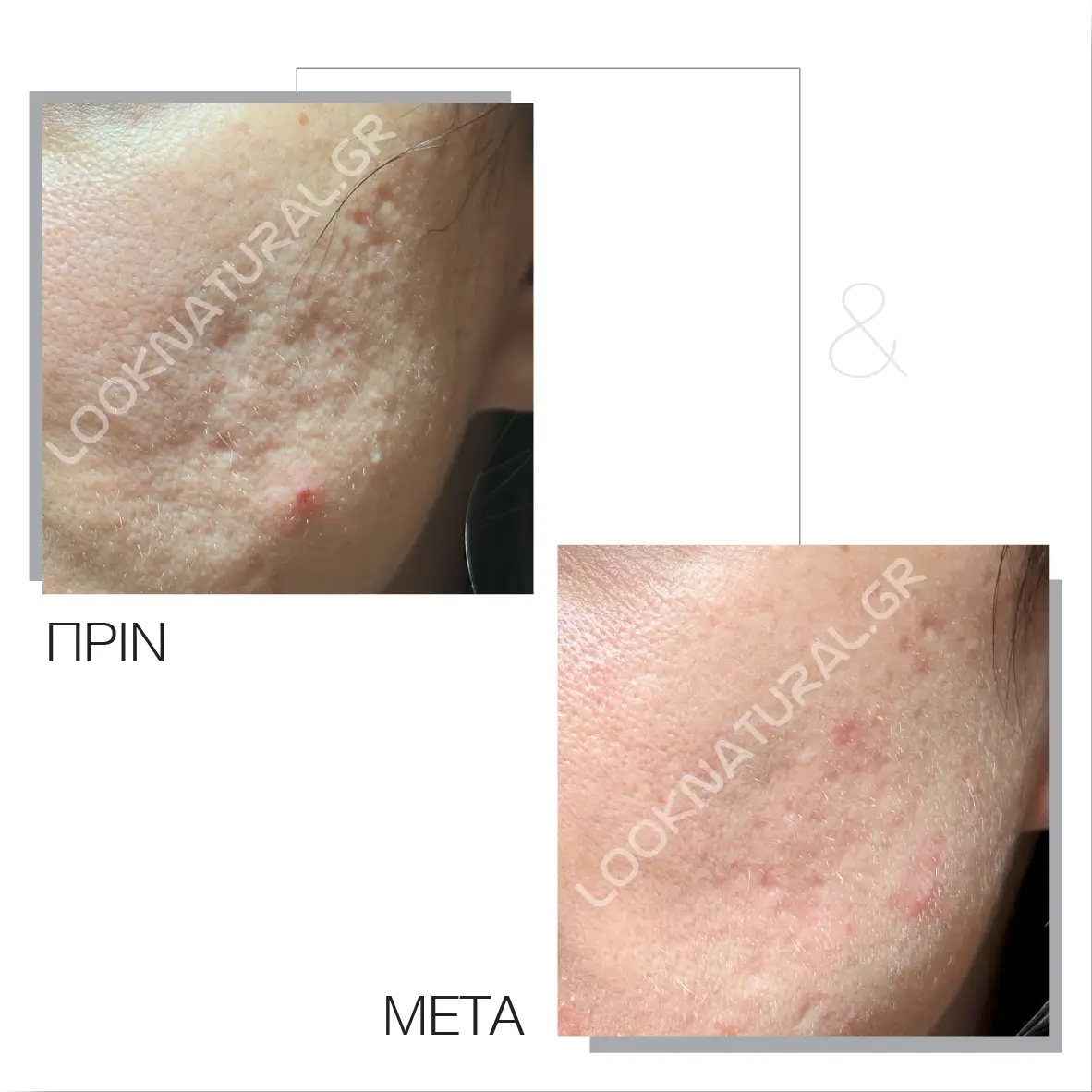
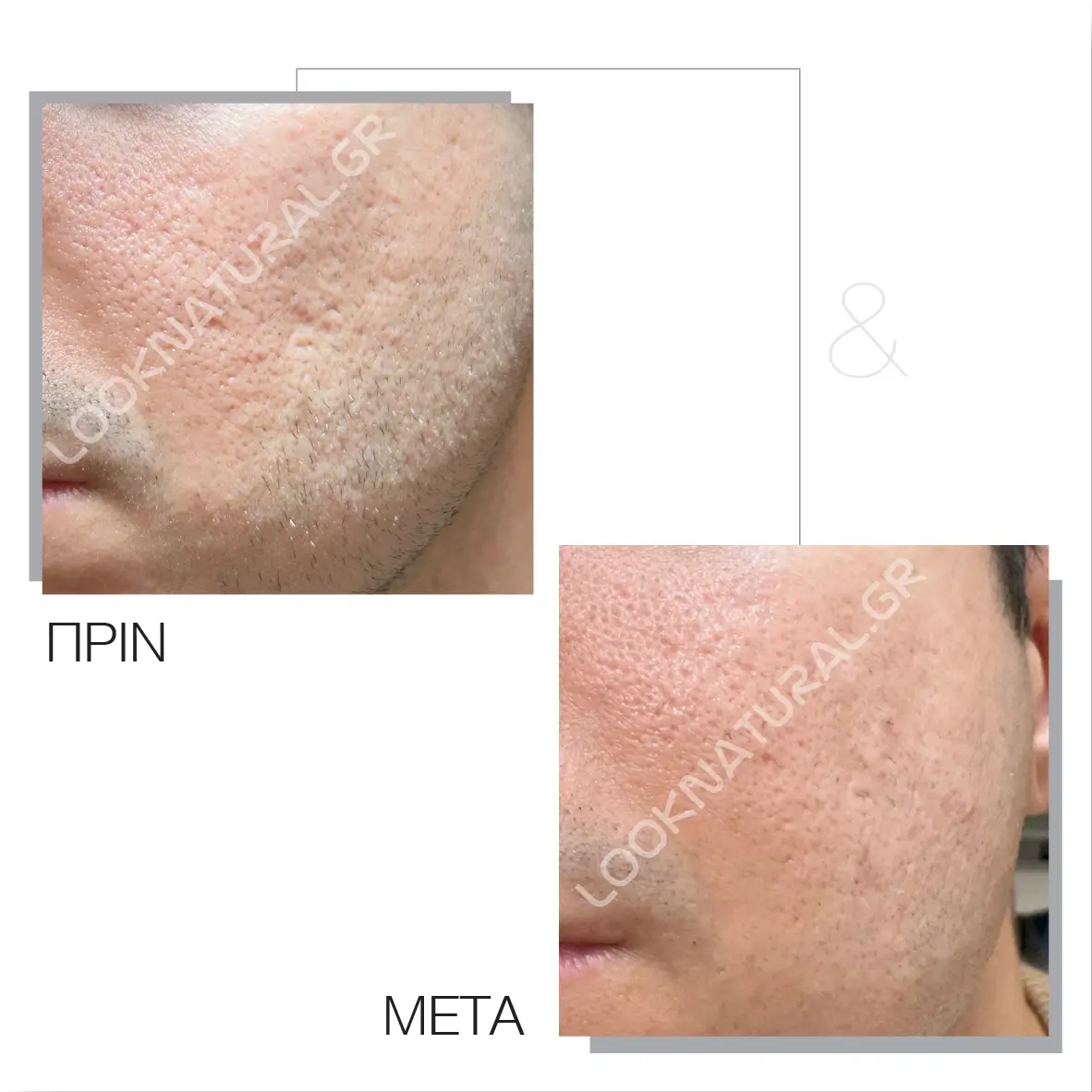
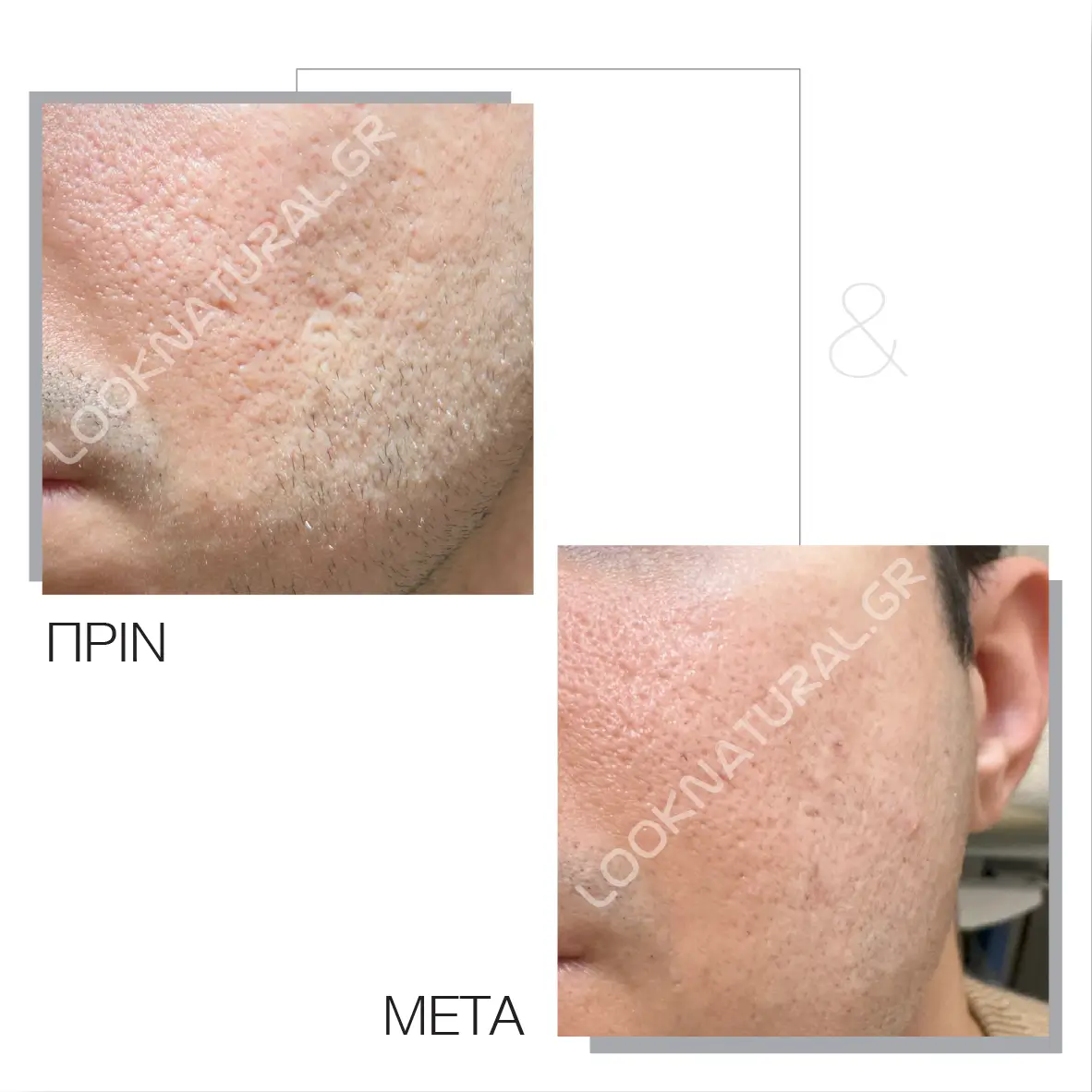
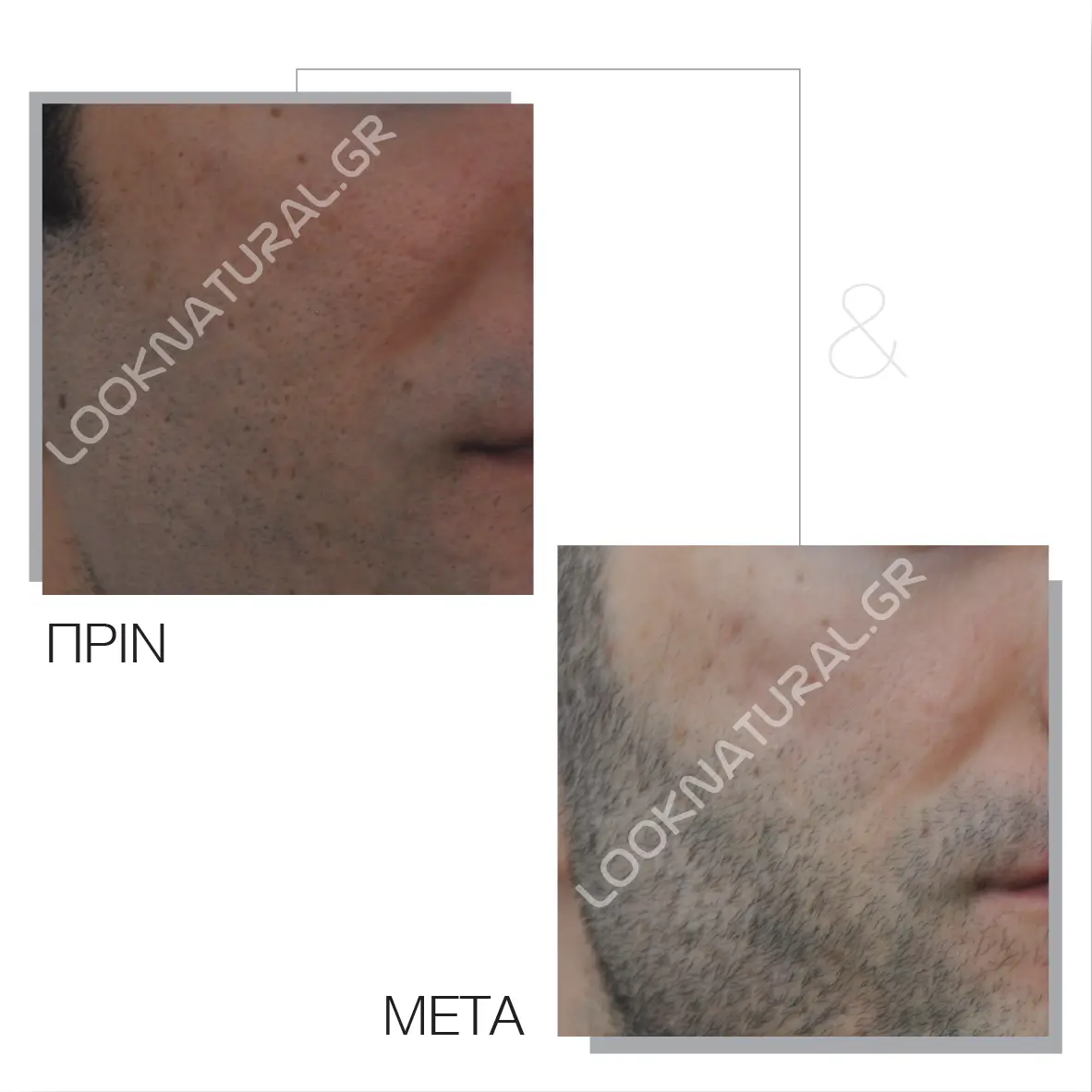
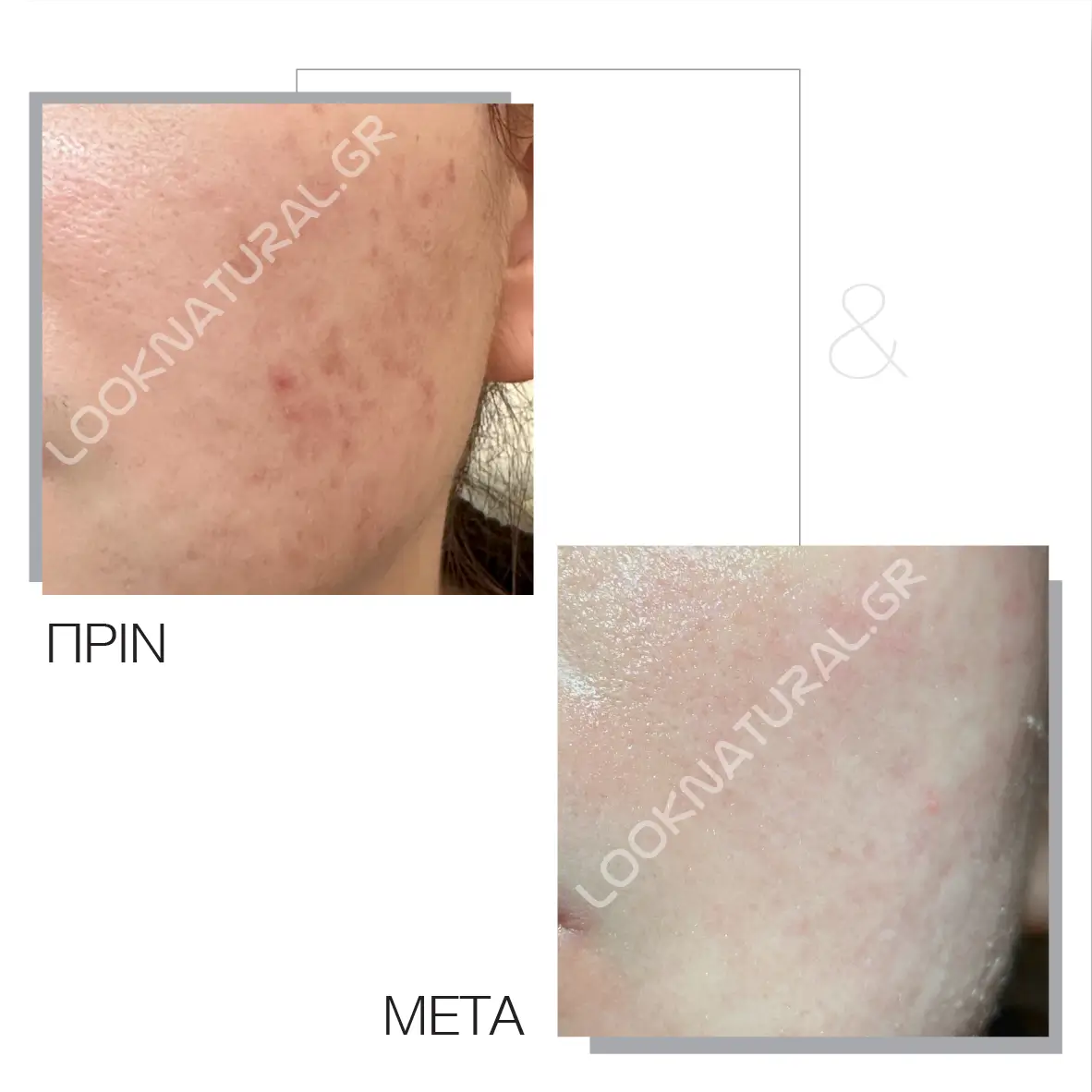
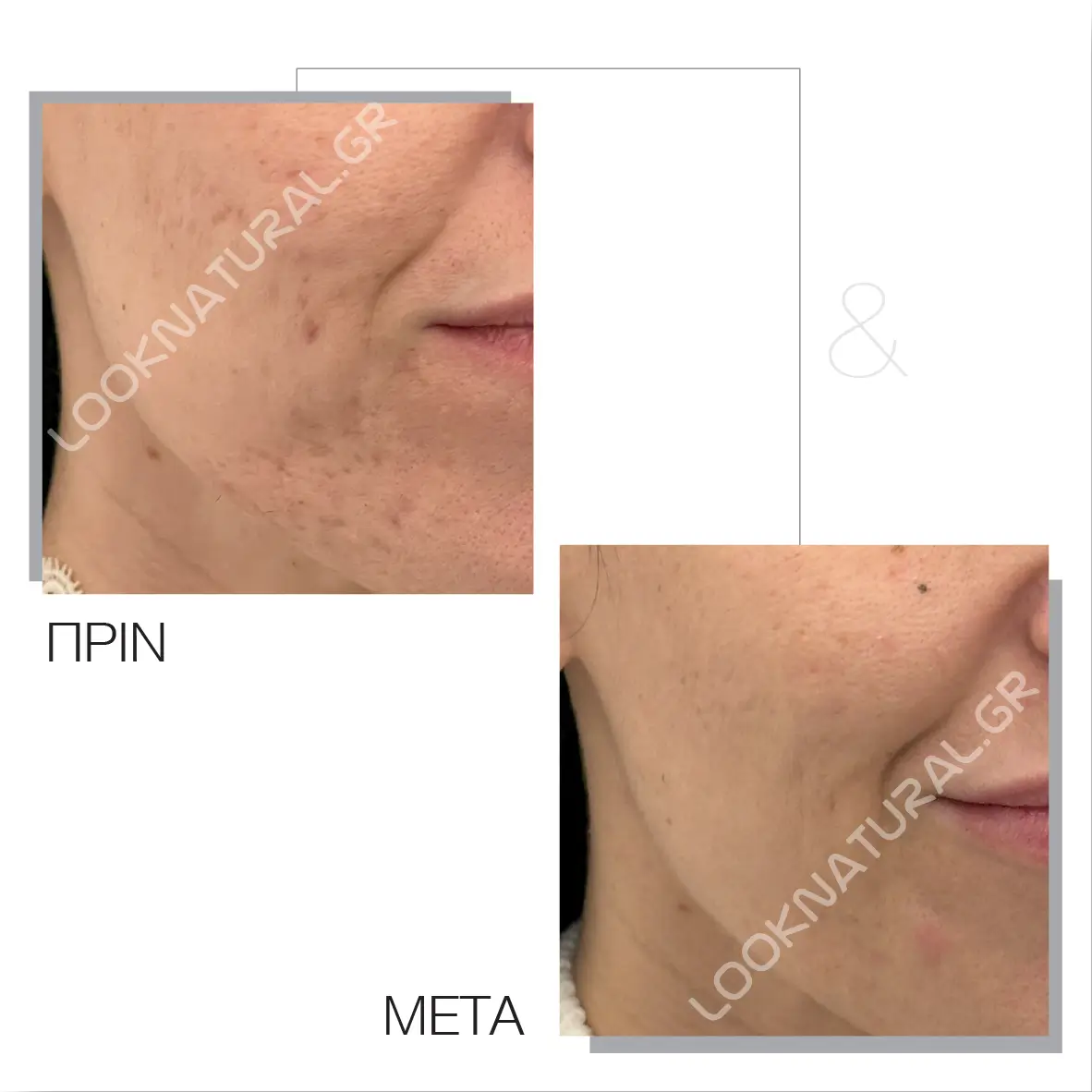
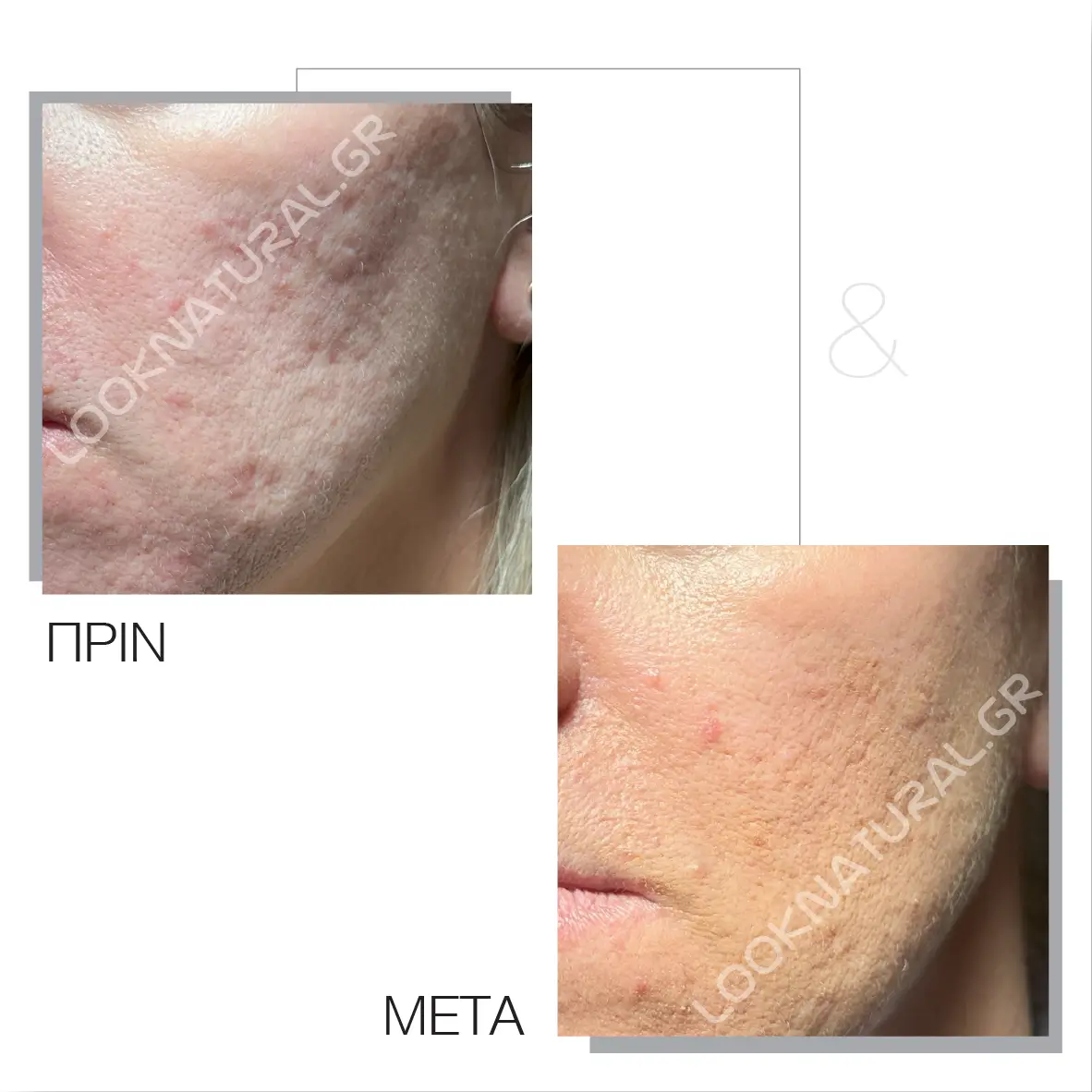
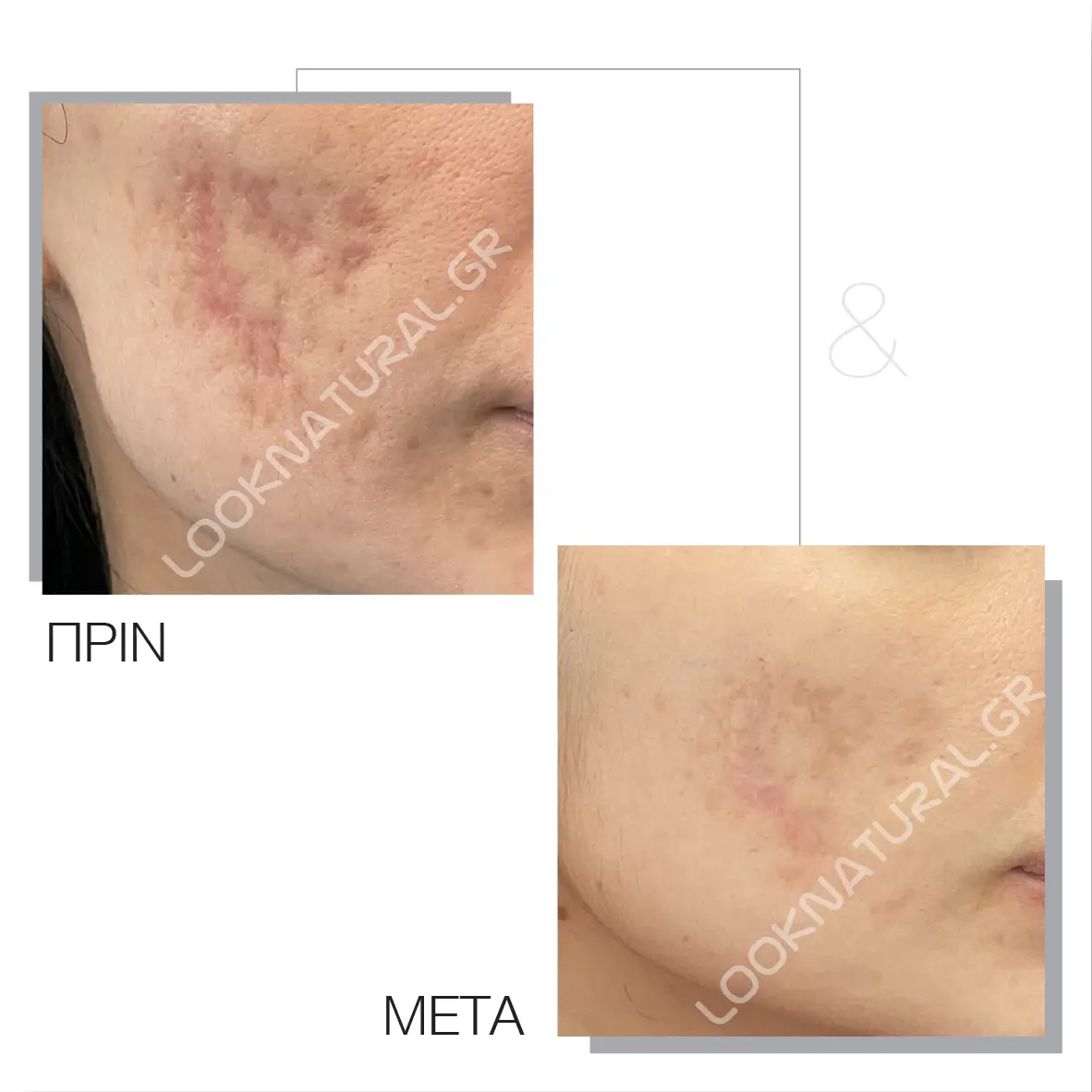
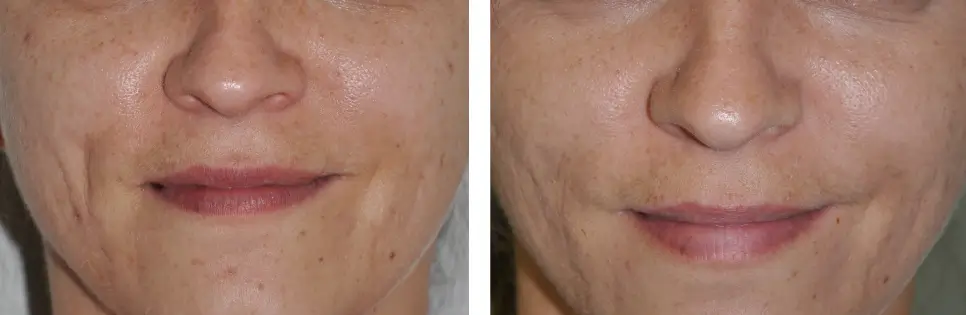
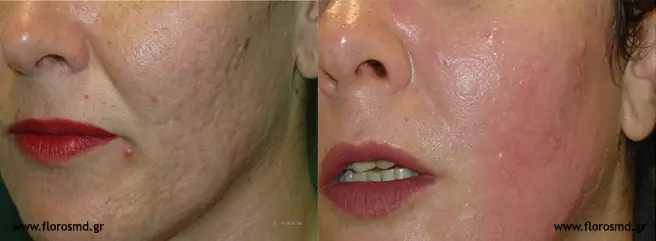
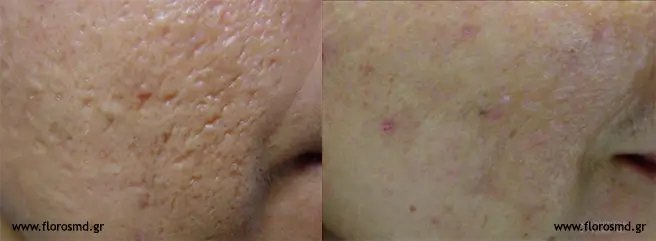
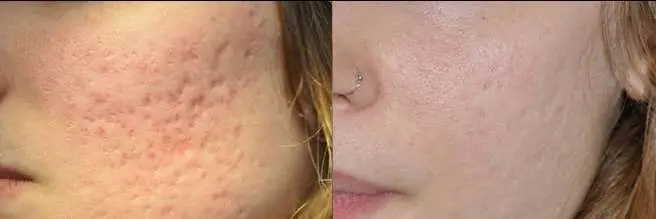
BEFORE & AFTER
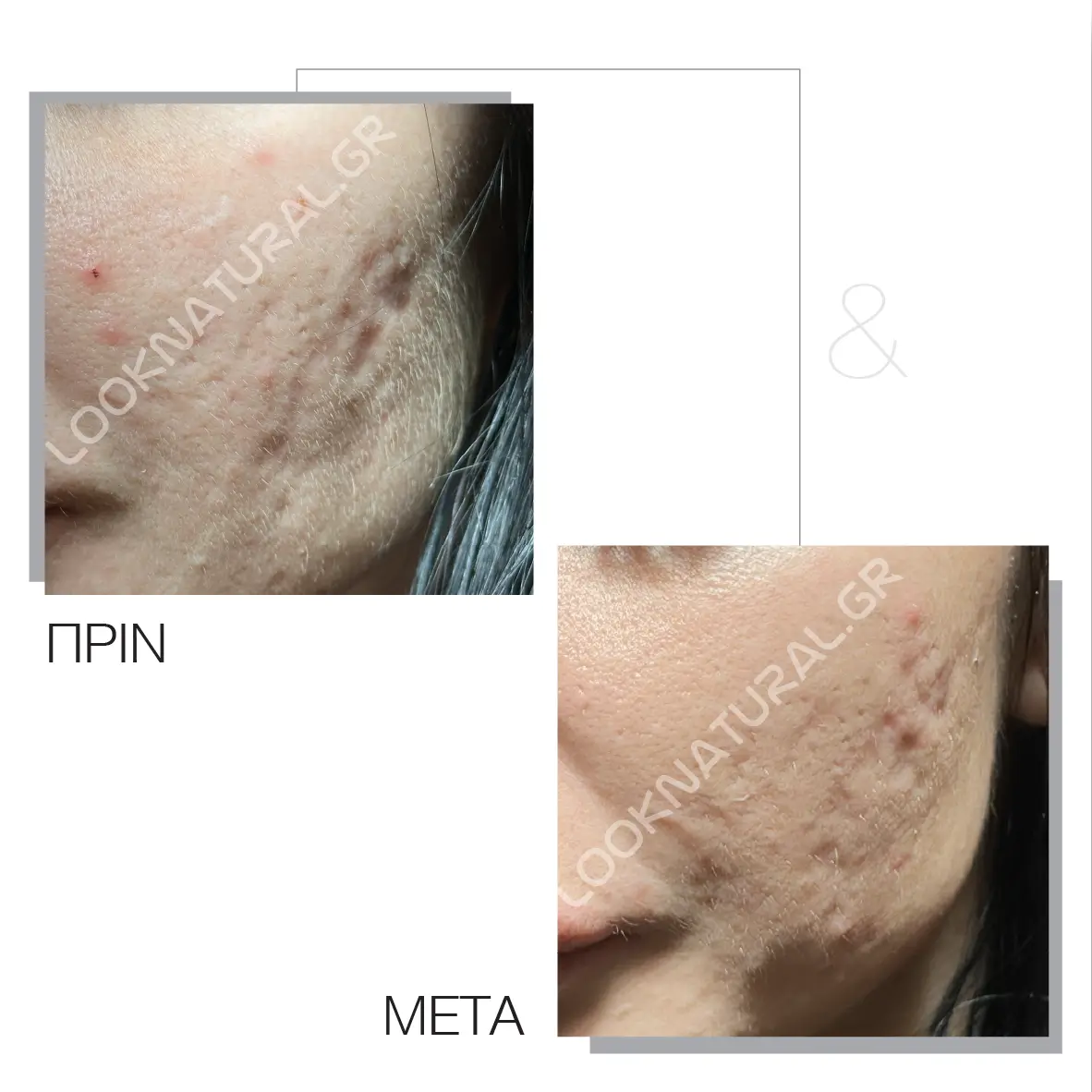
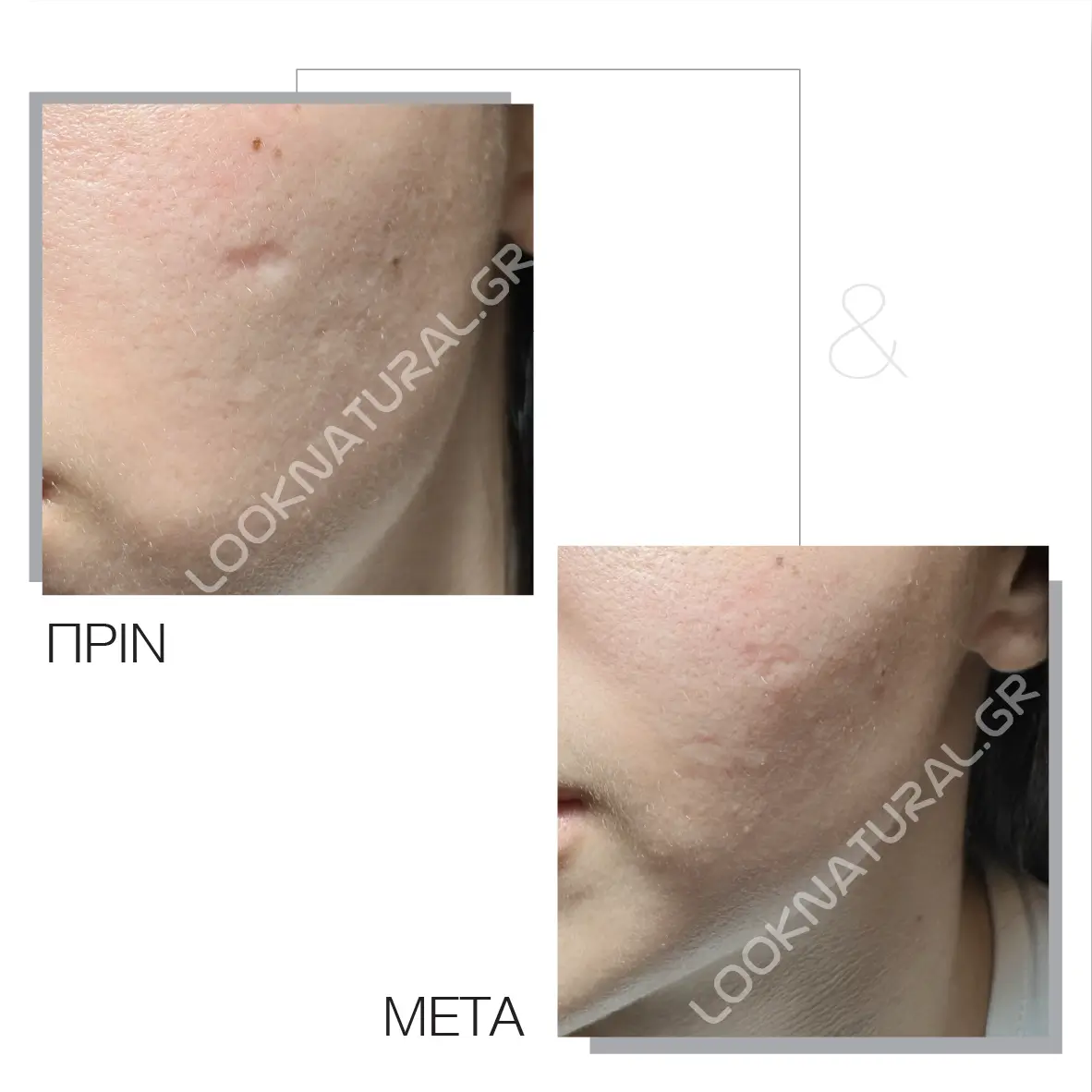
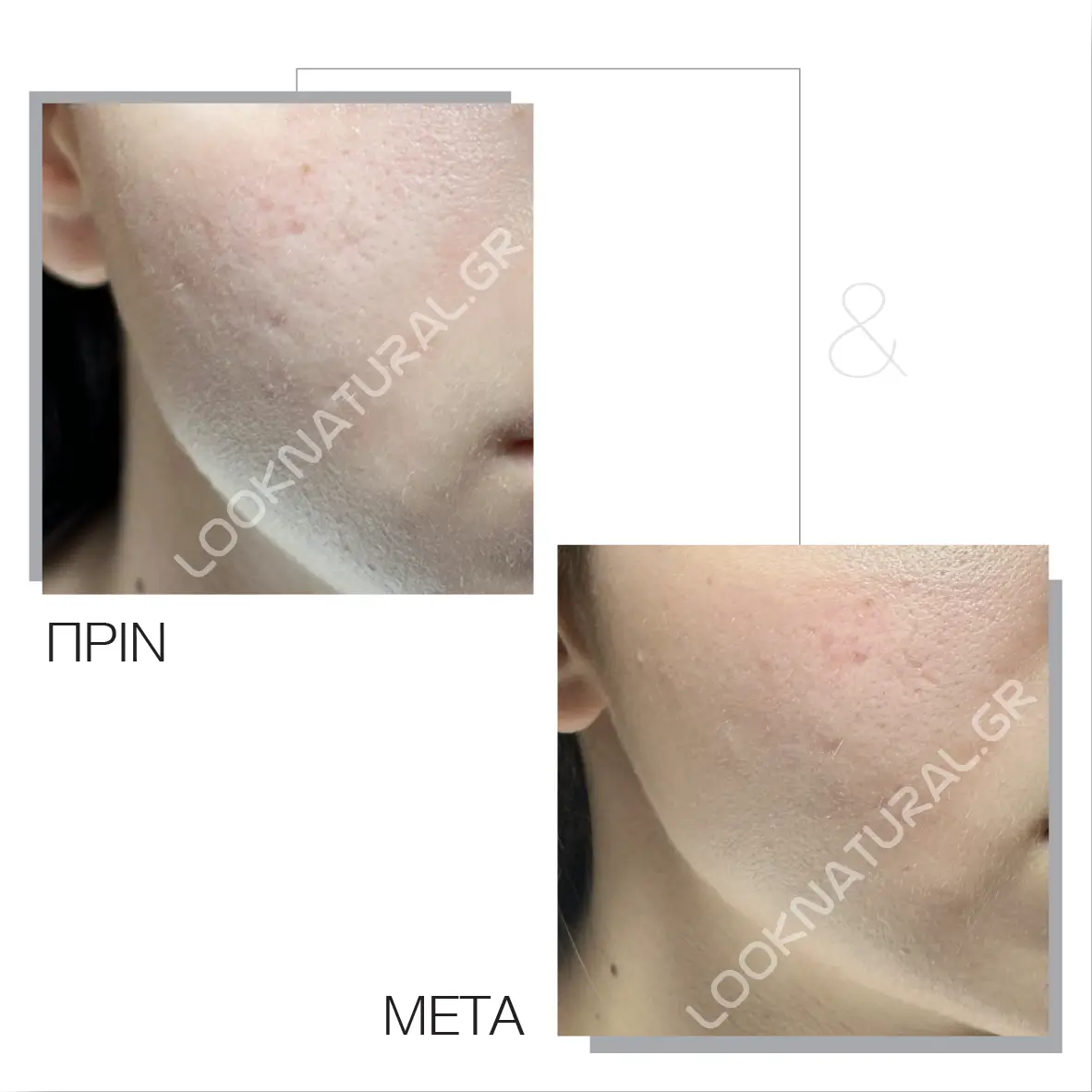
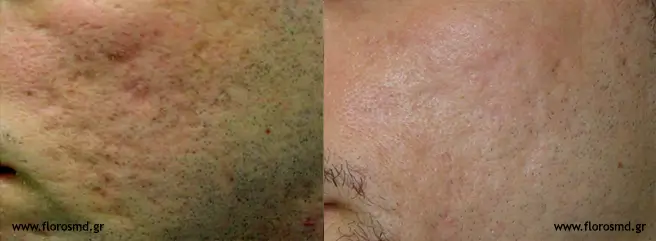
FREQUENTLY ASKED QUESTIONS

EXPERTISE & CARE
TRUST US WITH YOUR TREATMENT
Dr. Konstantinos Floros was born in Athens, studied Medicine at the University of Thessaloniki, and specialized in Plastic Surgery in the United Kingdom. He has participated in specialized aesthetic surgery seminars in London and New York. In Greece, he practices privately with a focus on aesthetic plastic surgery and modern applications of cosmetic medicine and anti-aging. He has served as a Plastic Surgery registrar at the university hospitals Queen Mary’s University Hospital in London and Addenbrooke’s Hospital in Cambridge.




CUSTOMER REVIEWS
Το Trustindex επαληθεύει ότι η αρχική πηγή της κριτικής είναι Google. Το αποτέλεσμα ξεπέρασε και τα πιο τρελά μου όνειρα εξαιρετικόςΔημοσιεύτηκε στο GoogleΤο Trustindex επαληθεύει ότι η αρχική πηγή της κριτικής είναι Google. Ο καλύτερος πλαστικός Χειρουργος !!!! Και πάνω από όλα εξαιρετικός άνθρωπος πρόσφατα έκανα ένα V lift τέλειο φυσικό αποτέλεσμα με τοπική αναισθησία ,ο χώρος υπέροχος!!! ,οι κοπελιές μέσα πολύ ευγενικές και ευχάριστες 🥰Δημοσιεύτηκε στο GoogleΤο Trustindex επαληθεύει ότι η αρχική πηγή της κριτικής είναι Google. Εξαιρετικος!Δημοσιεύτηκε στο GoogleΤο Trustindex επαληθεύει ότι η αρχική πηγή της κριτικής είναι Google. Ένας εξαιρετικός γιατρός που κέρδισε την εμπιστοσύνη μου από την αρχή!Δημοσιεύτηκε στο GoogleΤο Trustindex επαληθεύει ότι η αρχική πηγή της κριτικής είναι Google. Dr. Konstantinos Floros... the best ever!!! He is a highly qualified plastic surgeon... ❤️Δημοσιεύτηκε στο GoogleΤο Trustindex επαληθεύει ότι η αρχική πηγή της κριτικής είναι Google. Εξαιρετικός γιατρός!!!Δημοσιεύτηκε στο GoogleΤο Trustindex επαληθεύει ότι η αρχική πηγή της κριτικής είναι Google. Εξαιρετικός γιατρός με εμπειρία! Εμπνέει εμπιστοσύνη. Ευχάριστο περιβάλλον και προσωπικό . Τον συστήνω ανεπιφύλακτα.
COME TO THE SPECIALISTS
If you have any questions, concerns or would like to make an appointment with Dr. Konstantinos Floros, please contact us.